
Men's Health: Don't Let Stereotypes Make You Sick
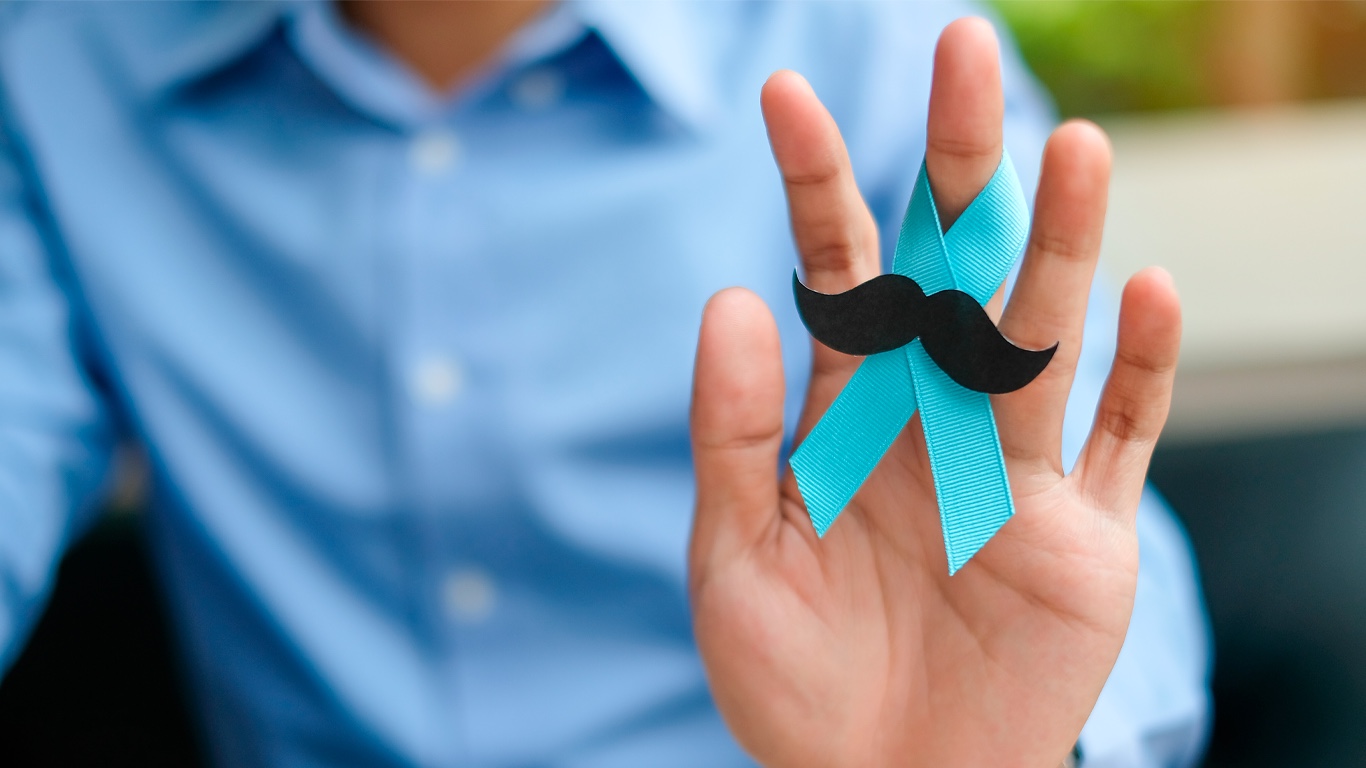
Self-care, viewed through the lens of hegemonic masculinities, doesn't have much of a place among "men's things." This cultural bias has meant that, even today, going to the doctor or openly discussing physical or emotional ailments is often postponed until the situation becomes critical. It's time to change the narrative.
Medical reality shows us that the most lethal diseases in men are, to a large extent, preventable or treatable if detected early:
Prostate cancer: This is one of the most common types of cancer in men. Although it has a very high survival rate when detected in its early stages, aversion to digital rectal exams or misinformation leads many men to see a urologist only when the disease has already metastasized.
Cardiovascular diseases: Heart attacks and high blood pressure are the leading cause of death among men worldwide. Men tend to ignore initial symptoms like fatigue or mild chest pain, attributing them, for example, to work-related stress. This can silently trigger extreme situations that a simple blood pressure and cholesterol check could prevent.
Mental health and suicide: Perhaps this is the area where the stigma of traditional masculinity is most fierce. Men are more reluctant to acknowledge depressive or anxious states and seek less psychological help. They've learned that they're expected to be self-sufficient and emotionally stable heads of households, so they'd better live up to expectations and not be "soft." As a direct consequence of this imposed silence, suicide rates are alarmingly higher among men than women in almost every part of the world.
Taking care of oneself doesn't diminish strength; on the contrary, it's the most responsible and courageous act there is. Preventive checkups, mental health monitoring, and paying attention to the body's signals are not signs of weakness, but rather essential tools for ensuring a long and fulfilling life.
Translated by Amilkal Labañino / CubaSí Translation Staff
Añadir nuevo comentario