
Jay Clayton, Trump's Choice for U.S. Director of National Intelligence
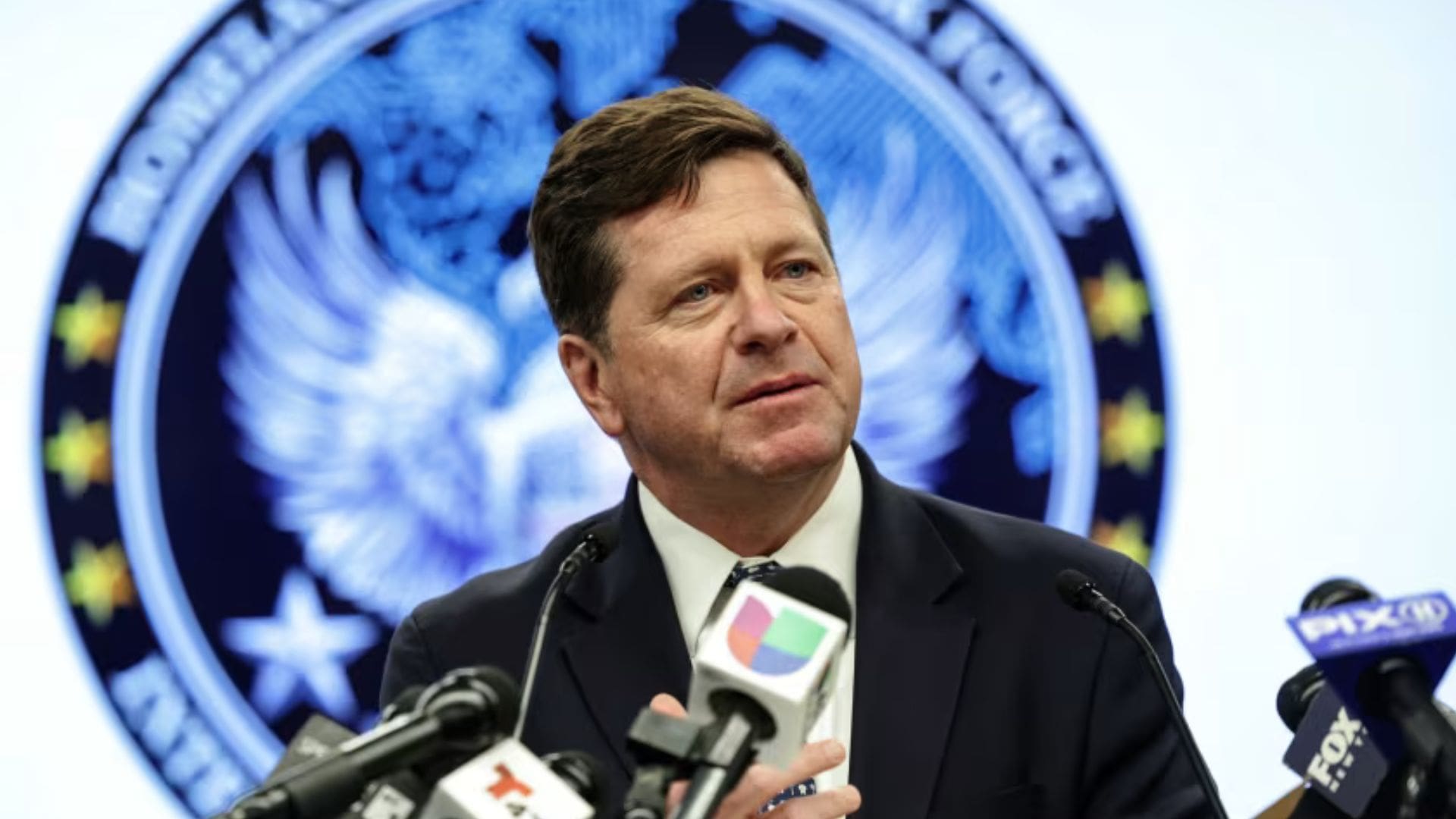
"Few people in the legal community enjoy the respect that Jay deserves," Trump wrote in a Truth Social post, urging the U.S. Senate to confirm him "as soon as possible."
Trump's change came amid strong controversy in the Capitol over his previous decision to name William Pulte, director of the Federal Housing Finance Agency and chairman of Fannie Mae/Freddie Mac, as acting director following Tulsi Gabbard's resignation.
Pulte, a novice in national security matters but a loyal Trump stalwart, provoked rejection from both Democratic and Republican legislators.
"Trump appoints spy novice Bill Pulte to replace Gabbard at the head of National Intelligence"; "Trump designates Bill Pulte as new U.S. spy chief"; "Trump names controversial senior housing official as acting director of National Intelligence" — these were some of the press headlines that circulated regarding the potential nominee at the time.
Gabbard submitted her resignation last May 22 to focus, she said, on caring for her husband, who was diagnosed with cancer.
Although the name of Aaron Lukas was initially considered as a possible replacement, Trump leaned toward Pulte — someone who from his position tried to push accusations against his political enemies — but shortly thereafter had to recalibrate and change his mind, as he frequently does.
Clayton — the now-nominated candidate — chaired the Securities and Exchange Commission (SEC) during Trump's first term.
Añadir nuevo comentario