
May Day in Cuba Counters Hostile Narratives on Social Media
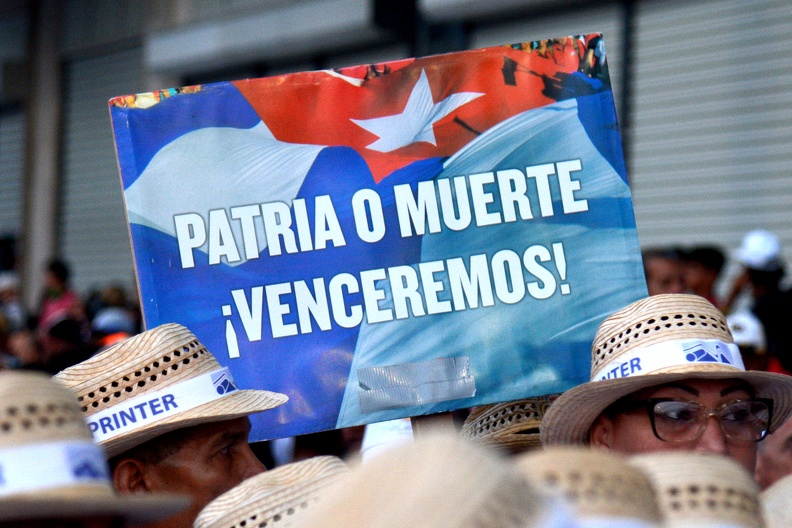
Desde horas tempranas los capitalinos marchan por avenidas para concentrarse en la tribuna antiimperialista, en el Día Internacional de los trabajadores, en La Habana, Cuba, el 1 de mayo de 2026. ACN FOTO/Omara GARCÍA MEDEROS/ogm
The massive turnout that characterized today’s International Workers’ Day celebrations in Cuba countered hostile narratives circulating on social media, where some had predicted widespread public apathy toward the historic proletarian commemoration.
From the early hours of the morning—under the first full moon of May—thousands of people filled the streets, heading toward designated gathering points to defy predictions made by those who, despite being born in the country, underestimate the resilience of their fellow citizens.
In the days leading up to the event, some commentators insisted there would be a notable absence in streets and public squares, repeatedly claiming that attendance would be the result of pressure from workplace authorities.
Critics who closely monitor developments on the island were aware of the daily hardships faced by citizens, including the effects of the economic and energy embargo imposed by the United States.
Shortages of flour for daily bread, power outages—recently mitigated by demonstrated solidarity from the Russian government—transportation challenges, long lines at banks, and high food prices, among other difficulties, fueled expectations among detractors of a failed May Day turnout.
As is customary on this historic date, the public response proved otherwise. In Havana alone, approximately half a million people participated in the celebrations, marked by widespread enthusiasm, creative initiatives, and vibrant cultural expressions. Traditional Cuban music was present, including the well-known Havana-Santiago conga, while younger participants chanted along to the latest hits from the controversial reparto genre.
Those often referred to as “haters” on social media—some of them recent anti-communists who were academically trained within the socialist system—are expected to continue promoting their narratives for profit, despite clear indications that their messages aimed at division and discouragement lack effectiveness.
In the year marking the centennial of Commander-in-Chief Fidel Castro, the parade stands as a tribute to the historic leader of the Revolution, accompanied by the six million 230 thousand 973 signatures collected in the document “My Signature for the Homeland.”
Añadir nuevo comentario