
Cuba and India Strengthen Ties for Food Production
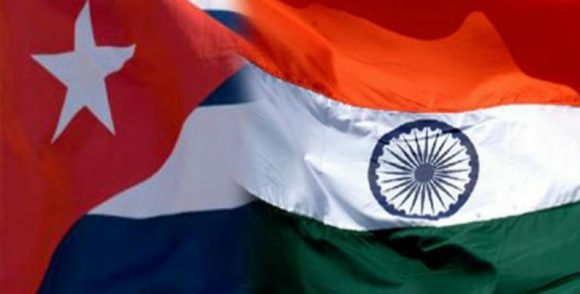
Imagen: tomada de Cubadebate
Advancing the connection between Cuban and Indian companies linked to food production was the primary objective of a videoconference held this weekend between the Chamber of Commerce of the Republic of Cuba (CCRC) and the Rice Exporters Association of Chhattisgarh (TREACG).
The Indian delegation included Dr. Mukesh Jain and Rajiv Bajaj, president and executive director of the institution, respectively. Representing the Caribbean island, along with CCRC officials, were executives from the companies Alimport and Emproal S.R.L.
According to the Chamber of Commerce's Facebook channel, a key agenda item centered on methods to expand collaboration regarding rice production within Cuba. It is notable that India is the world’s second-largest producer of this cereal and a leading producer of non-basmati rice, cultivating a wide range of varieties that thrive across the diverse climates of the vast nation. The state of Chhattisgarh, located in central India, is the territory’s largest exporter of non-basmati rice.
Additionally, the Chamber of Commerce announced that its president, Antonio Carricarte Corona, and Dr. Rashmi Saluja, president of the Global Trade and Technology Council of India (GTTCI), recently signed a cooperation agreement virtually. The document was signed in the presence of Juan Carlos Marsán Aguilera, Cuba's ambassador to the Asian nation.
From this point forward, progress will be made in strategic areas of interest for collaboration, such as biotechnology, pharmaceuticals, healthcare, the sugar agro-industry, and Information and Communication Technologies (ICTs), among others, according to the CCRC's official statement.
Añadir nuevo comentario