
Macron and Merz's Popularity Collapses to Historic Lows
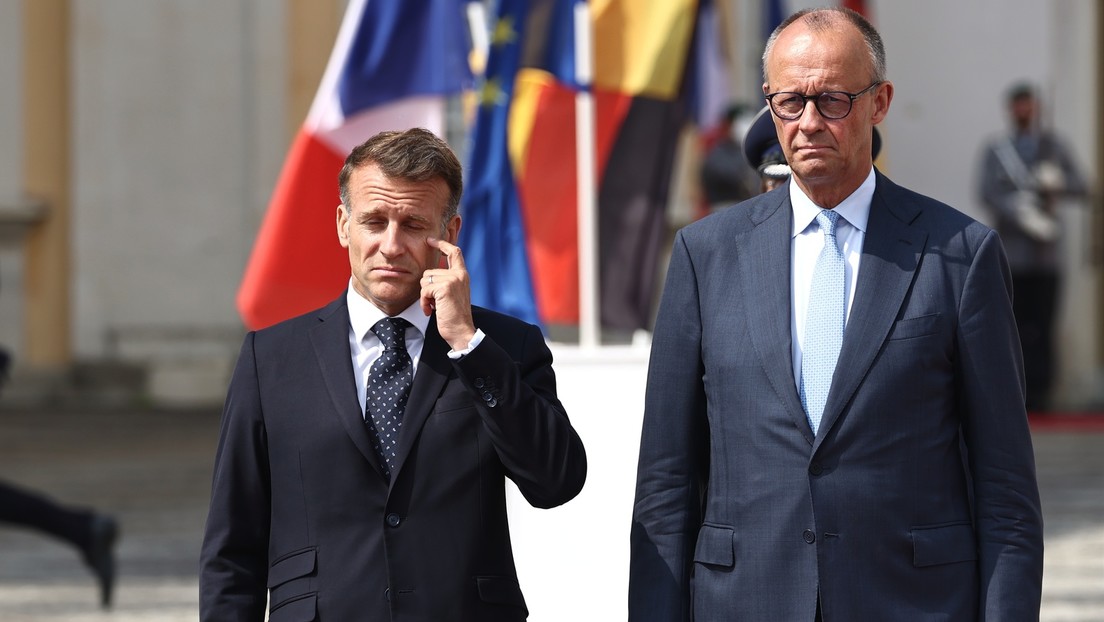
La popularidad de Macron y Merz colapsa a niveles históricos
French President Emmanuel Macron and German Chancellor Friedrich Merz are facing high rejection figures in their respective countries, according to recent polls.
In France, Macron reached only 16% favorable opinions, his lowest level since being elected. He lost 5 points compared to July and accumulates 81% unfavorable opinions, according to the Ipsos-BVA-CESI barometer for La Tribune Dimanche.
"Emmanuel Macron reaches the level of François Hollande. Weariness is at its maximum," said Brice Teinturier, deputy CEO of Ipsos-BVA, attributing the collapse to budgetary difficulties, the drop in purchasing power, and general dysfunctions.
The approval rating of his prime minister, Sébastien Lecornu, also fell to 20%.
Meanwhile, only 14% of Germans consider Merz a suitable chancellor, according to a poll by the INSA institute for Bild. Merz's popularity has plummeted from mid-2025, when more than 30% expressed satisfaction with his work, to just 16% in early September of this year.
78% of participants responded negatively to the question of whether Merz remains a suitable chancellor for Germany. Even 58% of supporters of the CDU and CSU—the governing union—spoke out against him, with only 36% in his favor.
Additionally, in France, discontent is growing toward all tested presidential candidates, including Jean-Luc Mélenchon (70% rejection), Marine Le Pen (52%), and Gabriel Attal (60%).
In Germany, CSU leader Markus Söder leads preferences with 31%, followed by Hendrik Wüst (20%) and Alexander Dobrindt (13%).
Añadir nuevo comentario