
Nicaragua Celebrates 47 Years of the Sandinista Revolution
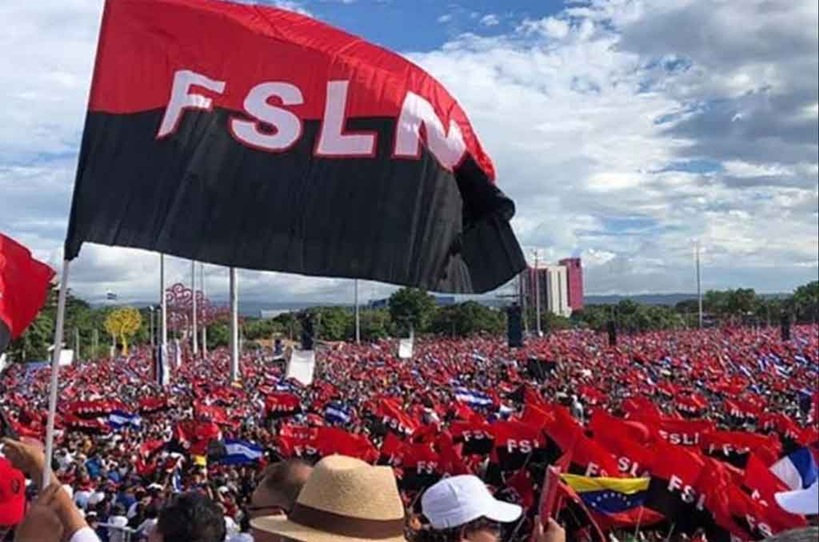
Foto: tomada de PL
Nicaragua celebrates today the 47th anniversary of the triumph of the Sandinista Popular Revolution, a political project centered on restoring the people's rights and fighting poverty. Historical accounts highlight that on July 19, 1979, there was immense popular joy, and a transformation of institutional structures began. It was the last armed revolution in Latin America and the Caribbean after those of Mexico (1910) and Cuba (1959), whose main objective was to empower the people and eradicate poverty at its roots.
After the victory in July came complex days, but the basic Sandinista banner of struggle for the defense of sovereignty, independence, and self-determination remained. Before 1979, more than 50 percent of Nicaragua's population was illiterate, while nearly 60 percent were peasants without rights to land or credit. Economic growth was concentrated in very limited groups, but the Revolution broke that scheme and today seeks to grow with equity, sharing growth and distributing wealth, which is reflected in access to free education and healthcare, social security, streets, and housing for the people.
"If I could choose the greatest attribute we have today in Nicaragua, after the triumph of popular power on July 19, 1979, I would say it is that Nicaraguans live in peace," analyst Xavier Díaz-Lacayo stated in an interview with Prensa Latina. He considered that the Sandinista Revolution broke the mental paradigms of a society conditioned to poverty and misery, by incorporating identity, history, and dignity as fundamental elements of national transformation.
The country's advances are palpable. Electrical coverage nationwide reaches nearly 100 percent of the population, while the country's road infrastructure has achieved unprecedented growth. According to official data, thanks to the Sandinista Government's impetus, the nation now has 5,270 kilometers of paved roads, a figure representing 932 percent growth. The development of health infrastructure also stands out, with the construction of modern medical care centers, positioning the country as one of the nations with the largest hospital network in the region.
Coordinator of the Secretariat for Caribbean Coast Affairs, Commander Lumberto Campbell, told Canal 4 television's Revista En Vivo that the transformations the country is experiencing have been made possible thanks to the Revolution, the unity of the Nicaraguan people, and peace.
The most recent public opinion study from polling firm M&R Consultores found that 88.5 percent of the Nicaraguan population approves of the government led by co-president Daniel Ortega. The survey highlighted that 86.7 percent of respondents rated the work of co-president Rosario Murillo as positive. It also addressed Nicaraguans' political predisposition index, noting 85.5 percent in favor of the Sandinista National Liberation Front (FSLN), while only 10.5 percent support the opposition.
"The FSLN has reached its highest political predisposition index in the last five years, and this is due to the loyalty that the co-presidents have instilled in steering a country in Revolution," Díaz-Lacayo stated.
Añadir nuevo comentario