
DANCE: Classics for a Lifetime
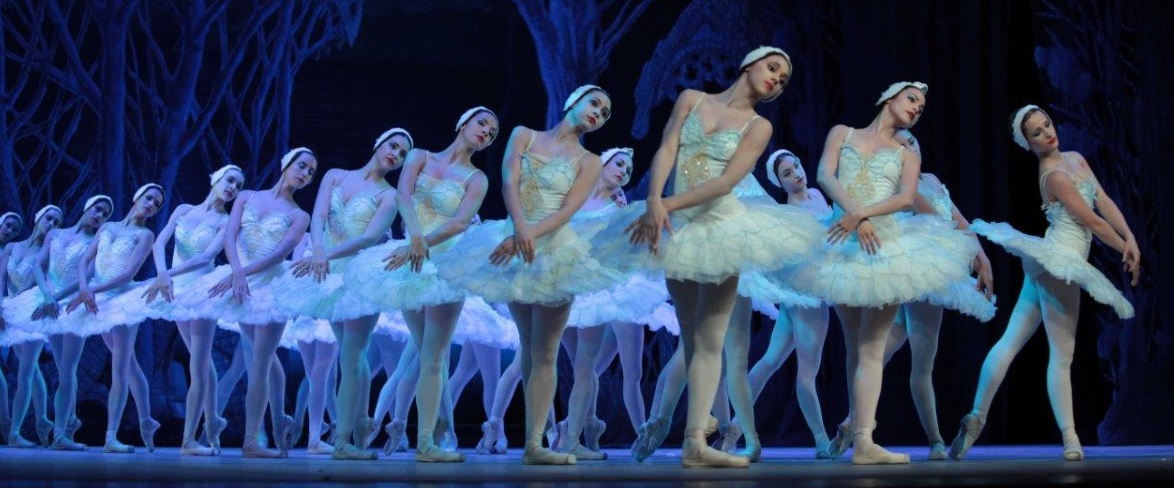
The most recent performance of the show "The Magic of Dance," which brings together excerpts from major 19th-century ballets in Alicia Alonso's versions, has demonstrated something that, in reality, shouldn't need demonstrating because it has been evident for decades: the legion of Cuban ballet audiences loves the classics.
The reaction of the spectators, who filled the Avellaneda Hall of the National Theater of Cuba, is an unequivocal demonstration of their loyalty to a repertoire that has withstood the test of time thanks to its extraordinary aesthetic values and the strength of an artistic tradition that shaped the course of dance worldwide.
The great classics remain relevant because they embody a way of understanding the art of movement that reached an exceptional expressive maturity. Works such as Giselle, Swan Lake, Sleeping Beauty, and Don Quixote continue to engage contemporary audiences, not as museum pieces, but as creations capable of stirring emotions, moving us, and revealing new interpretations.
This capacity for constant renewal explains why they continue to occupy a central place in the repertoire of the world's most important companies and why they continue to inspire enthusiasm among Cuban audiences.
Given this observation, it’s worth remembering that, among enthusiasts, critics, and specialists, there has been some debate for years about what repertoire the National Ballet of Cuba should champion.
However, in the vision of its founders, there was never any doubt about this. Alicia, Fernando, and Alberto Alonso assumed from the beginning that the company had the responsibility to preserve the great classics, updating them and adapting them to each era without abandoning their essence.
At the same time, they promoted the creation of more contemporary works, capable of incorporating new choreographic codes and languages. For them, these two approaches were not mutually exclusive, but rather complementary.
This vision continues to define the artistic identity of the National Ballet of Cuba.
The company, now directed by Viengsay Valdés, has established itself as an international leader in the defense of the great classical repertoire, and Alicia Alonso's versions of numerous works are an essential part of that legacy.
Preserving these works is an unavoidable responsibility, but so is opening spaces for new creations that allow artists to engage with the sensibilities, concerns, and demands of our time. This balance between tradition and innovation is one of the greatest strengths of an institution that has honored its history while remaining focused on the future.
Translated by Amilkal Labañino / CubaSí Translation Staff
Añadir nuevo comentario