
Mariano Rodríguez: Cuban Identity with Wings and Spurs
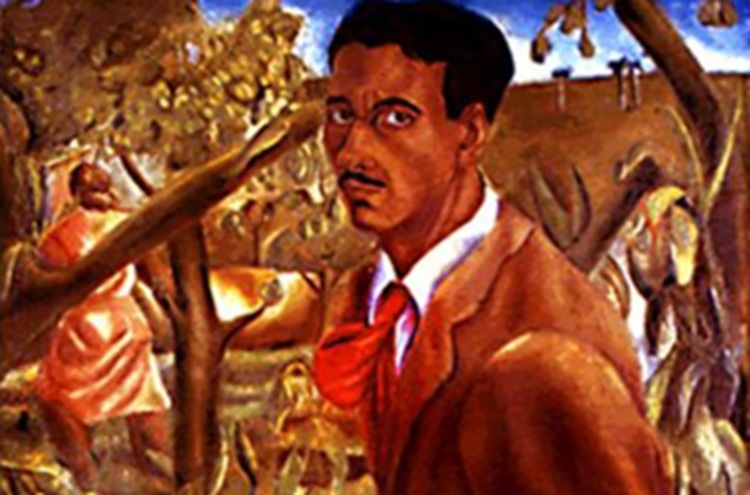
At age 77, painter, ceramist, and illustrator Mariano Rodríguez Álvarez passed away in Havana on May 26, 1990. With his death, the visual arts of the region lost one of the pillars of the second generation of the island's historical avant-garde.
Born in the Cuban capital on August 24, 1912, Mariano established an early international career that led him to participate in the legendary exhibition "Modern Cuban Painters" at the Museum of Modern Art in New York (MoMA) in 1944.
From his formative years in Mexico during the 1930s, Mariano understood that Cuban art needed to shed its stale, nineteenth-century academicism. His brush, far from being complacent, became a formal battleground where expressionism, cubist synthesis, and an overflowing sensuality coexisted.
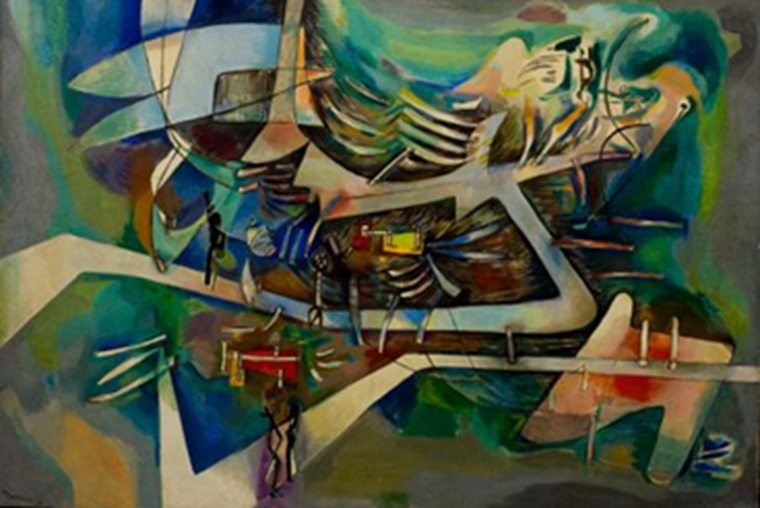
The painter's assimilation of universal avant-garde movements is imbued with a local urgency, where the guajiro (peasant), tropical fruits, and the island's architecture cease to be mere motifs and become structures of cultural resistance.
His painting proposes a synthesis of Caribbean identity, which, along with sensuality as a symbol, relies on a palette of vibrant colors dominated by reds. Deep yellows and blues to capture the luminous violence and temperament of the national environment.
Although his work encompassed still lifes, urban landscapes, and dynamic scenes of rural life, his figure became permanently linked to the representation of the rooster, which served as a motif for him to develop a whole formal laboratory for experimenting with color saturation, the decomposition of tropical light, and the energy of line.
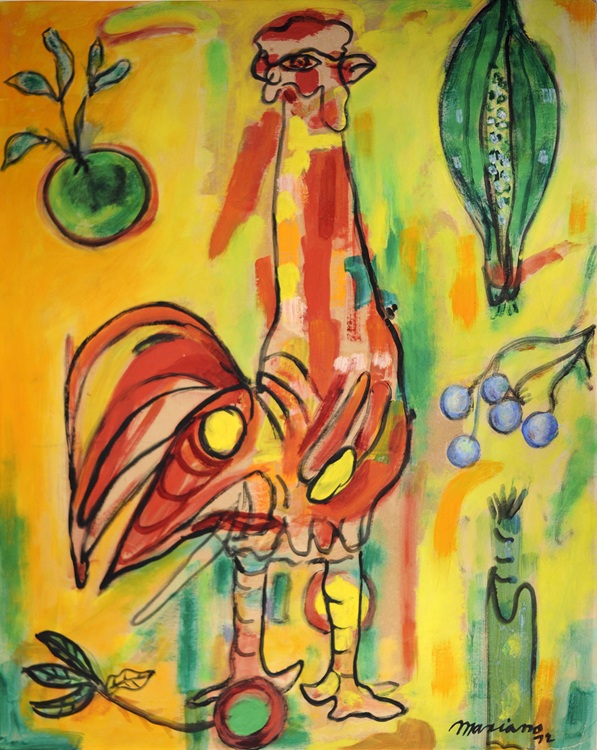
Mariano elevates the rooster to the status of an ethical and virile emblem of the Cuban people, decomposing its feathers and spurs with dynamic lines that move from figuration to abstraction.
Thus, he transformed the rooster into a metaphor for cultural fusion and island vitality, consolidating a visual poetics that was both Cuban and universal, one that defied the academic canons of his time and redefined the coordinates of 20th-century Latin American art.
Emblematic pieces from the 1940s, such as Guajiro con gallo (Countryman with Rooster) and Pelea de gallos (Cockfight), bear witness to this search for a synthesis of identity.
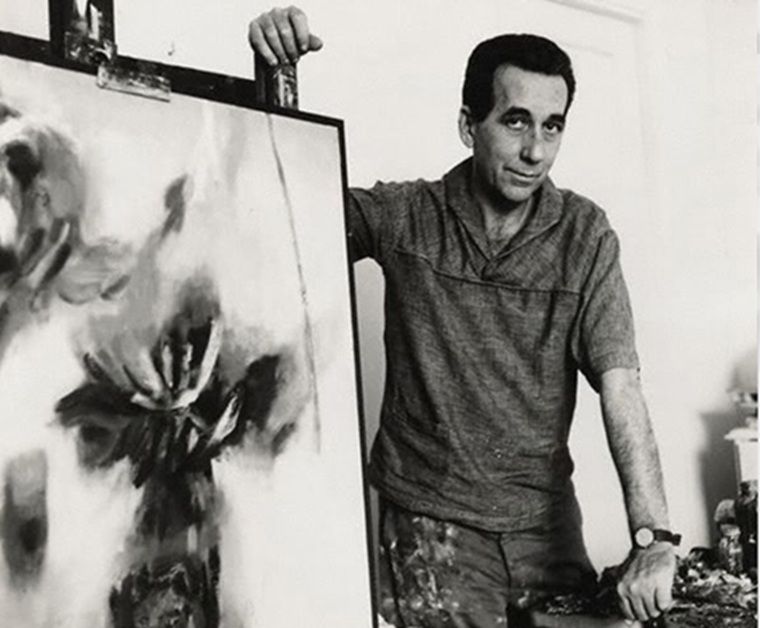
Beyond the canvas, the artist's influence extended to cultural management and institutional politics across the continent after the triumph of the Cuban Revolution. He served as vice president and later, following the death of the founder and first president of that institution, Haydée Santamaría, Mariano Rodríguez assumed the General Presidency of Casa de las Américas in 1980, a position he formally held until 1986, when he was succeeded by the intellectual Roberto Fernández Retamar.
From Casa de las Américas, Mariano promoted intellectual exchange and the visibility of Latin American artists during a time of significant diplomatic isolation for the country.
His material legacy, safeguarded by institutions such as the National Museum of Fine Arts in Havana and internationally renowned collections, continues to be the subject of historiographical review and retrospective exhibitions that analyze its impact on Latin American artistic modernity.
Translated by Amilkal Labañino / CubaSí Translation Staff
Añadir nuevo comentario