
YouTube Extends Deepfake Detection Tools to Hollywood Artists
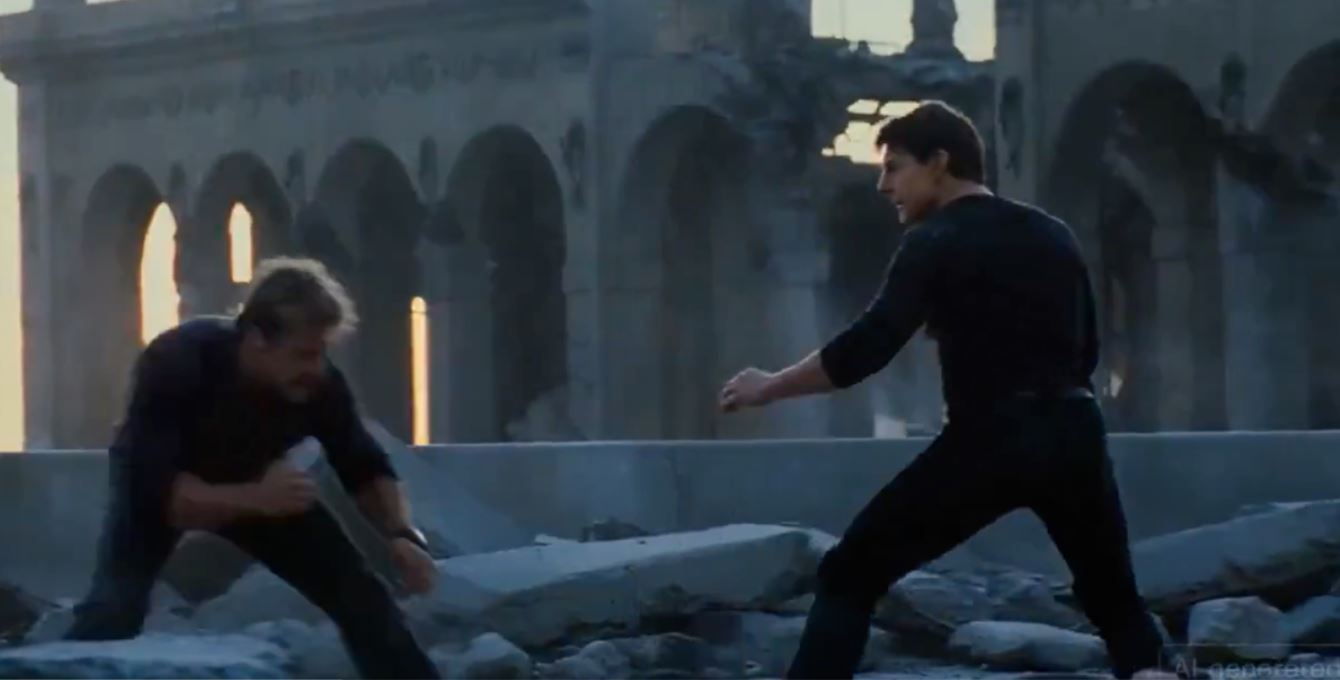
"Only I have the right to be me." YouTube is now offering Hollywood celebrities and artists a free deepfake detection tool, further strengthening the fight against identity theft generated by Artificial Intelligence (AI).
The Google-owned video platform launched its image protection tool last month, which helps identify content in which a face appears modified or generated using AI technologies to imitate a real person. The project was initially aimed at government officials, political candidates, and journalists. However, this week YouTube expanded access to the entertainment industry, including actors and musicians, through talent agencies and celebrity representatives.
The tool allows users to "search for AI-generated content that reproduces the appearance of a registered person, such as a deepfake of their face, and gives them the power to locate and request its removal." Notably, celebrities and artists can access this tool even if they do not maintain a YouTube channel.
"The fact that YouTube is opening its deepfake detection capabilities to public figures marks a turning point in how platforms approach identity protection in the era of generative AI," stated Alon Yamin, CEO and co-founder of the AI detection platform Copyleaks. "The technology that allows for the reproduction of a person's face, voice, and gestures has advanced faster than the safeguards surrounding it, creating a gap that malicious actors are already exploiting," he noted.
Significant Challenges
The initiative comes at a time when hyper-realistic videos of deceased celebrities, created with general-use applications like OpenAI’s Sora, are proliferating. The application triggered an avalanche of videos featuring Michael Jackson or Elvis Presley. Last month, OpenAI announced it would be closing its Sora application.
In February, Irish director Ruairí Robinson created a strikingly realistic clip showing Brad Pitt fighting Tom Cruise on a rooftop using a two-sentence prompt. The clip, which caused great concern in Hollywood, was generated with Seedance 2.0, a tool belonging to the Chinese group ByteDance. Robinson also created other videos: one in which Pitt fights a sword-wielding ninja zombie, and another in which he joins Cruise to battle a robot.
Charles Rivkin, chairman of the Motion Picture Association (MPA), which represents major U.S. production studios, urged ByteDance to "immediately cease its counterfeiting activities," accusing the company of trampling on copyright laws. YouTube stated it is working with major talent agencies to improve the detection of problematic images and better protect artists.
"Their Heritage"
YouTube "is doing the right thing by providing these tools for free to talent, so they can protect their heritage," noted Jason Newman of the management and production company Untitled Entertainment. "Their heritage is their face, their body, who they are, what they do, their way of expressing themselves," he added in an interview with the Hollywood Reporter.
The development of the tool follows complaints from prominent American figures who denounced YouTube's previous procedure for reporting and removing deepfakes as cumbersome.
"The risks are particularly high because deepfakes can be used to spread misinformation, manipulate markets, damage reputations, or create belief in misleading endorsements. Robust detection is no longer optional," explained the head of Copyleaks. "Detection systems must be extremely precise, continuously updated, and associated with clear standards and rapid removal procedures to be effective."
"This will not completely eliminate deepfakes, but it can considerably reduce their reach and impact by making it more difficult for manipulated content to circulate undetected or unchallenged," Yamin argued.
Añadir nuevo comentario