
Two Farewells and an April: Amelia Peláez and Pablo Picasso
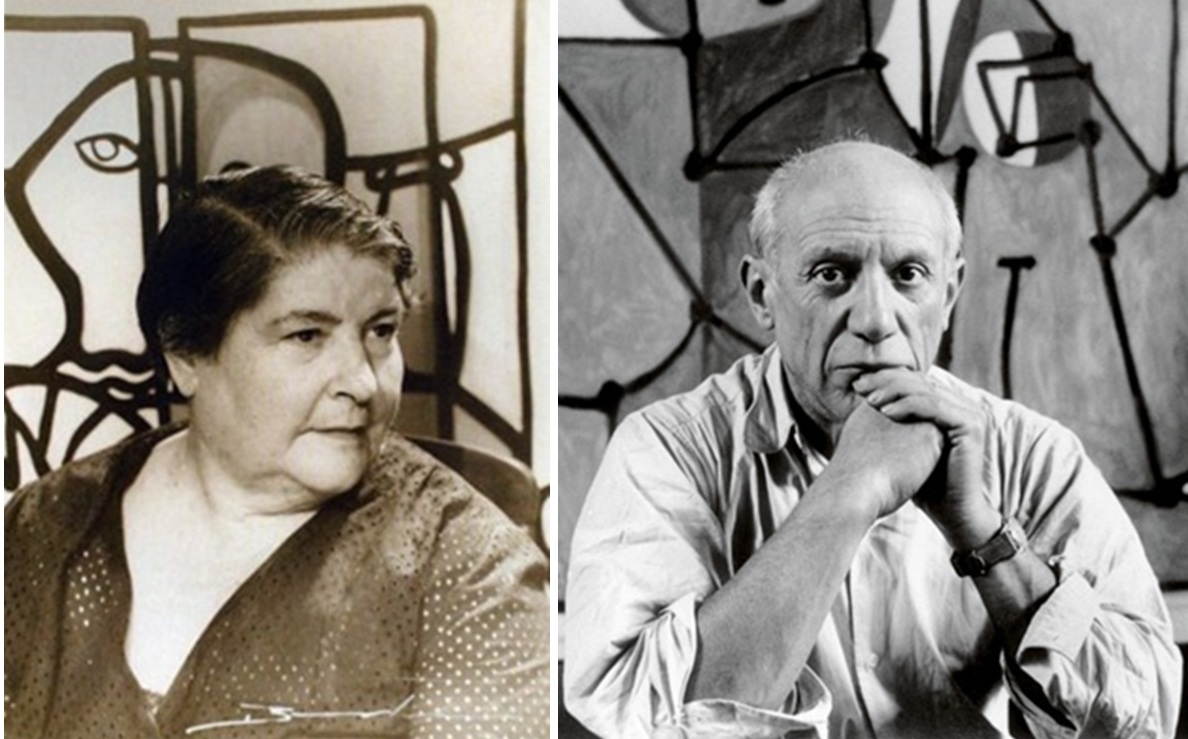
The visual arts calendar holds dates that seem written in indelible ink, the kind needed to immortalize the departure of giants.
April 8th emerges in history as one of those mystical dates, in this case linking the filtered light of a mansion in Víbora neighborhood of Havana with the Mediterranean breeze that caressed the final days of a genius from Málaga in Mougins.
On this day, universal culture pays tribute to the Cuban Amelia Peláez, who died in 1968, and the Spaniard Pablo Picasso, who died in 1973. It’s an exercise in poetic justice to observe how time, in its relentless march, decided to merge into a single anniversary the woman who captured the Antillean Baroque style amidst stained glass and ironwork, and the man who forever fragmented perspective.
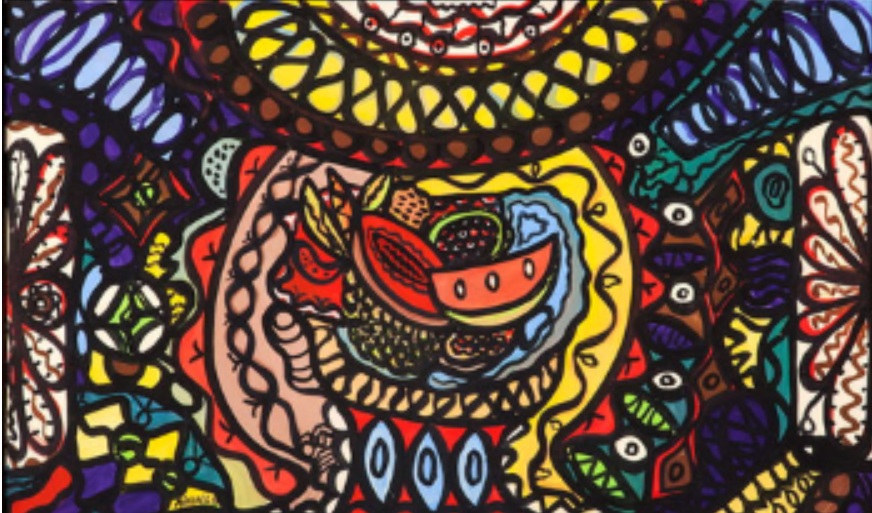
The figure of Amelia Peláez does not lend itself to superficial interpretations or labels of a sweetened creole. Her work constitutes a unique mirror of Cuban identity, where the still life ceases to be a static scene and becomes an explosion of contained life. Amelia's thick, confident, and defining line functions like the lead in a stained-glass window, not only supporting the color but also granting it an architectural hierarchy.
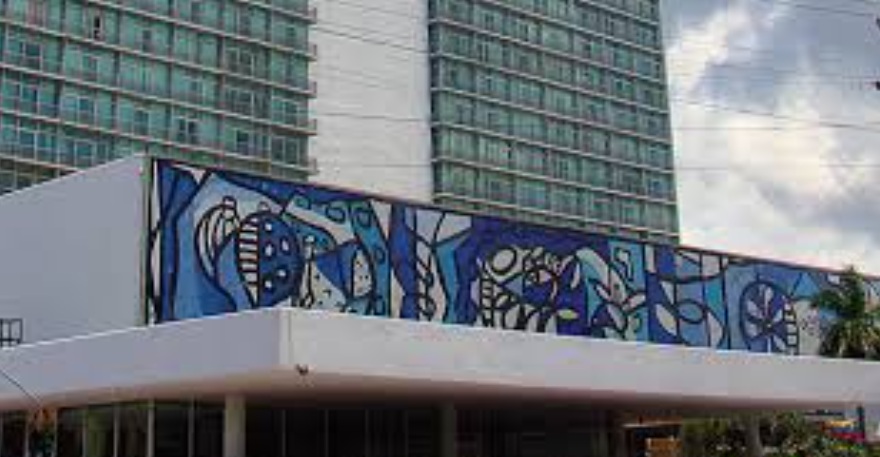
In her canvases, tropical fruits and colonial columns shed their literalness to become a vibrant expression, a synthesis of that transition from her Parisian years to the consolidation of her highly personal style, which also encompassed sculpture, ceramics—especially in her Santiago de las Vegas workshop—large-format murals (using mosaics and tesserae), book and magazine illustration, and drawing.
Just five years after the Cuban artist's passing, on April 8, 1973, the art world suffered an earthquake of incalculable magnitude with the death of Pablo Picasso. If Amelia was the guardian of the island's light, Picasso was the demiurge who dared to reconstruct the universe on the canvas.
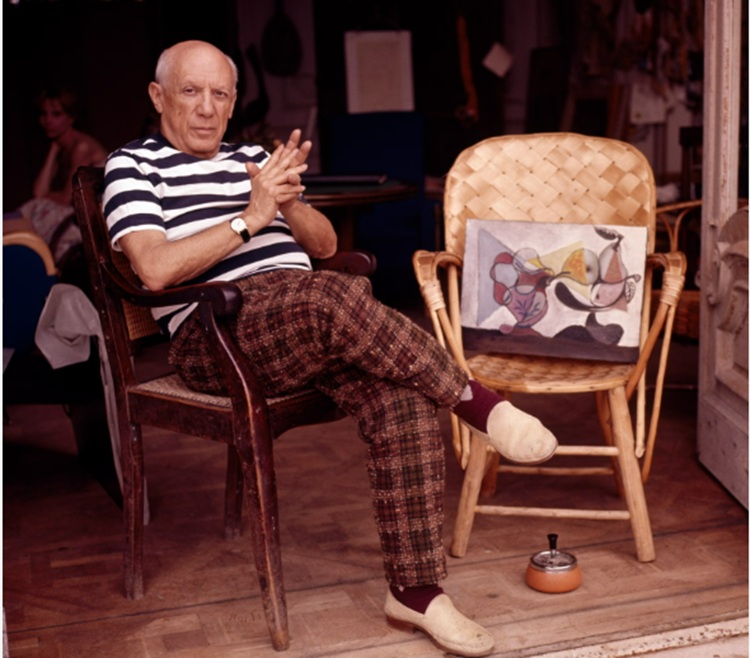
His legacy is not a collection of paintings, but a paradigm shift. From the Blue Period, tinged with melancholy, to the revolution of Cubism and the monochromatic scream of Guernica, the artist from Málaga demonstrated that the paintbrush can be an instrument of war and a tool of peace at the same time.
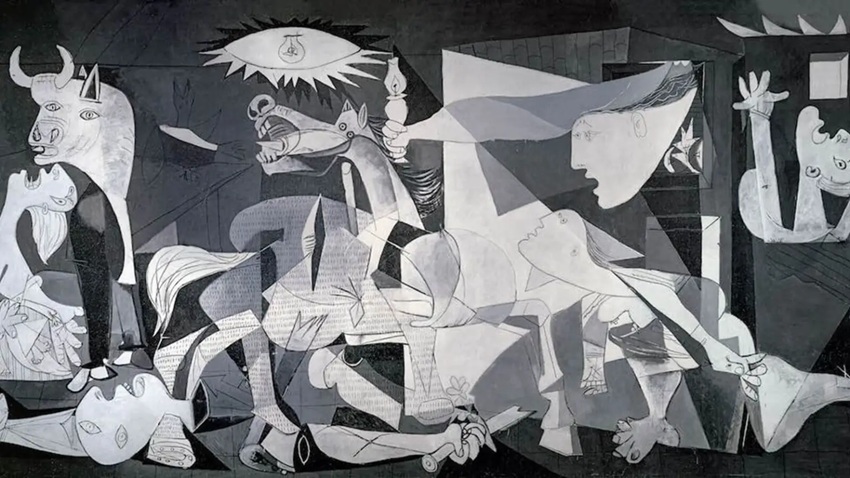
Picasso's work, largely housed by the Picasso Foundation Birthplace Museum, remains a guiding light for those seeking to understand the complexities of modern art.
There seems to be an elusive dialogue between these two artists that transcends the mere coincidence of their death anniversaries. While Picasso deconstructed reality to find its multifaceted essence, Peláez enveloped it in arabesques, seeking the permanence of the everyday.
Both artists shared an insatiable curiosity for form and an almost sacred respect for structure. In Amelia, the space is saturated with a baroque style that seems to breathe through the blinds; in Picasso, space multiplies into infinite planes that compel the viewer to abandon passivity.
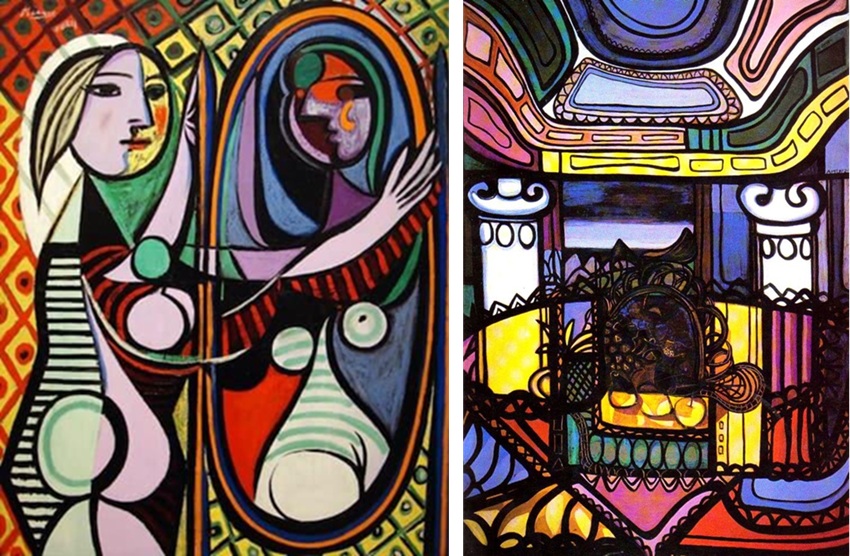
Artistic modernity in Cuba reached its maturity thanks also to the contribution of Peláez, whose influence and ability to translate the Caribbean light spread like a vine throughout the 20th-century avant-garde.
Both artists understood that tradition was not an anchor, but a springboard. That’s why Amelia's brush continues to immortalize the shadow of a fern on a Havana terrace, while Picasso's stroke continues to challenge the logic of the gaze in any museum in the world.
Translated by Amilkal Labañino / CubaSí Translation Staff
Añadir nuevo comentario