
Germany Pushes Back Against Trump: The Middle East War "Has Nothing to Do With NATO"
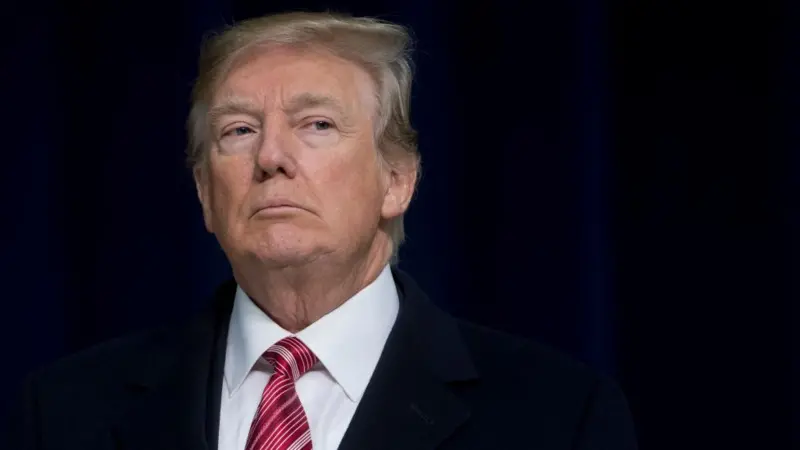
The war waged by Israel and the United States against Iran "has nothing to do with NATO," German government spokesman Stefan Kornelius declared on Monday, after Donald Trump pressed allied nations to help unblock the Strait of Hormuz — a critical maritime chokepoint for global oil markets.
"NATO is an alliance for the defense of the territory" of its member states, Kornelius stated at a press conference, adding that under current circumstances "there is no mandate to deploy NATO."
"This war has nothing to do with NATO. It is not NATO's war," the spokesman for Chancellor Friedrich Merz emphasized.
Kornelius was responding to remarks made by Trump earlier that same day. The Republican president told the Financial Times that the Atlantic Alliance — whose members he has previously pressured to increase military spending — faces a "very bad" future if it does not help reopen the Strait of Hormuz. Iran's de facto closure of the waterway has pushed crude oil prices above $100 per barrel.
Nevertheless, European diplomacy is actively exploring what steps can be taken to restore shipping traffic through the bottleneck. Also on Monday, EU foreign ministers convened to discuss a possible expansion of the bloc's naval mission in the Red Sea, known as Aspides, to assist in reopening the strait.
"It is in our interest to keep the Strait of Hormuz open, and that is why we are debating what we can do about it from the European side," said EU foreign policy chief Kaja Kallas ahead of the meeting in Brussels.
Several ministers urged caution, calling for more time before any decision is made regarding a potential modification of Aspides' mandate. The mission currently consists of three patrol vessels.
From London, British Prime Minister Keir Starmer stated that he is working with allies on "a viable collective plan" to reopen the strait and ease the economic impact, while clarifying that the plan "is not and has never been conceived as a NATO mission."
German Defense Minister Boris Pistorius made clear that his country would not offer "any military participation," though Germany stands ready to "guarantee, through diplomatic channels, the security of transit through the Strait of Hormuz." "This war began without any prior consultation," he stressed.
On Saturday, Trump had expressed interest in forming a coalition of countries to ensure security in the strait, through which crude oil extracted from Iran, Iraq, and Arab Gulf monarchies — attacked by Tehran in retaliation since the conflict began on February 28 — flows to world markets. The president notably included China on his proposed list of participating nations.
Añadir nuevo comentario