
Cuba Bets on Domestic Crude Oil Amid Energy Crisis
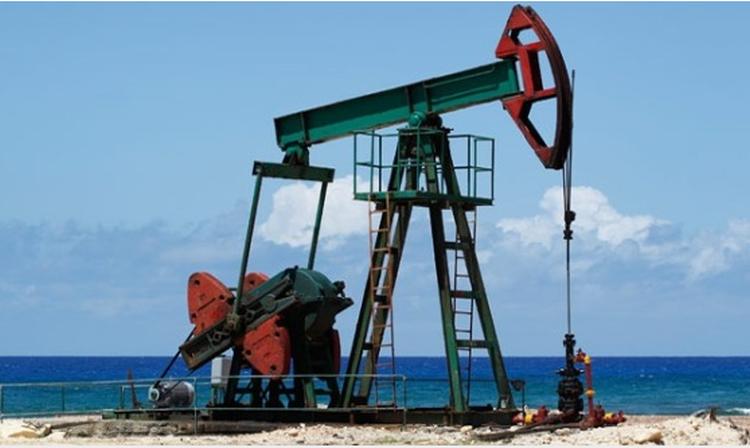
Cuba opera en con crudo nacional.
Cuban President Miguel Díaz-Canel stated today that the national electrical system is operating with significant instability due to fuel shortages, prompting authorities to prioritize generation using domestic crude oil and renewable energy sources.
No fuel has entered Cuba in three months, the president noted during a press conference, adding that during daylight hours, energy is generated using domestic crude oil combined with contributions from renewable sources, which together account for between 51 and 59 percent of total generation.
At night, however, only thermoelectric plants and the Energás station remain operational, as the country has run out of fuel oil and diesel used by distributed generation motors.
All of this has placed the national electro-energy system in a state of severe instability, and the impact on the population is tremendous — not only in Havana. In the provinces, some communities have experienced blackouts lasting more than 30 consecutive hours, he detailed.
This situation is generating irritability and distress among the population, Díaz-Canel added, and is also affecting water supply, the vitality of production services, communications, medical services, education, transportation, and virtually every aspect of daily life for Cuban citizens.
The president reported that new wells are currently being drilled for domestic crude extraction, and that four storage tanks at the Matanzas Supertanker Base — severely damaged in a fire in August 2022 — have been rebuilt.
Additionally, progress is being made in the installation of photovoltaic modules at healthcare facilities such as polyclinics and maternity homes.
Work is also underway on the installation of battery stations to regulate frequency within the national electrical grid, and incentives are being offered to households that install solar panels and contribute surplus energy back to the grid.
As of now, 247 private entities and more than 900 state-owned companies have recently installed solar panels, the president specified.
Díaz-Canel also noted that the electric vehicle fleet providing transportation services to the general public and hospital patients has expanded, as has the installation of charging stations for those vehicles.
The situation is complex and cannot be resolved overnight, Díaz-Canel emphasized, "but it will be resolved gradually."
The blackouts are undeniably generating discomfort and discontent among the population, he said, adding that the crisis is directly linked to what he described as the United States' energy blockade against Cuba.
Añadir nuevo comentario