
A Sun-Driven Chemical Reaction Could Extract Oxygen From Lunar Soil
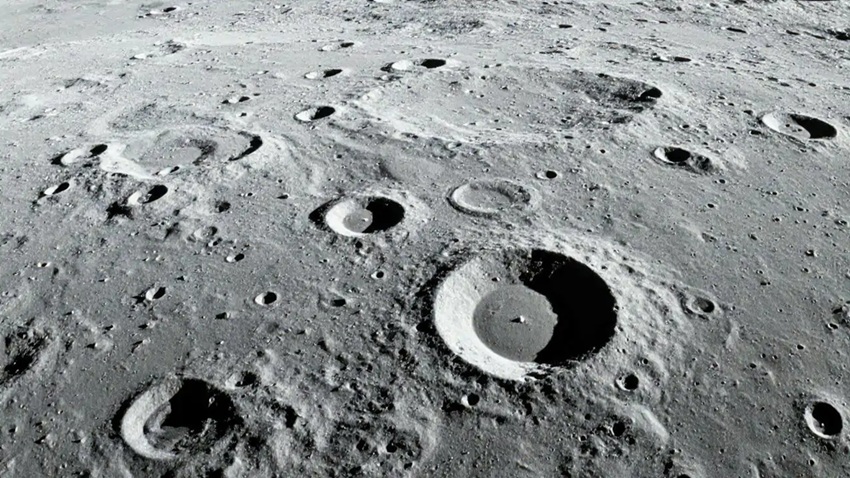
Foto: tomada de nationalgeographic.com.es
Humanity is on course to return to the Moon. After more than 50 years without setting foot on its surface — the last time being December 1972, with the Apollo 17 mission — NASA, alongside private companies and international space agencies, is finalizing preparations to return to Earth's natural satellite through the Artemis program, named after the Greek goddess of the Moon and twin sister of Apollo. The goal is to establish a base with a permanent human presence to advance scientific research and space exploration.
The original roadmap designated Artemis III as the first crewed lunar landing of the program, as well as the inaugural crewed flight of the Starship HLS lunar lander. However, complications surrounding Artemis II — the first crewed flight of the Orion spacecraft around the Moon, without a lunar landing — could introduce further delays, raising the possibility that astronauts may not walk on the lunar surface again until late 2027 or early 2028.
Given that the Moon is an inherently hostile environment for human beings, NASA must account for every aspect of astronaut survival, from breathing to mobility. The agency's latest tests point to a shift in its deep space strategy: rather than transporting every liter of life support resources from Earth, NASA appears to have achieved a method of extracting oxygen using nothing more than concentrated sunlight and simulated lunar dust.
The Carbothermal Reduction Demonstration project — known by its acronym CaRD — conducted integrated prototype tests employing concentrated solar energy to extract oxygen from simulated lunar regolith, while simultaneously confirming the production of carbon monoxide through a Sun-driven chemical reaction.
This technology could enable the production of propellant using only lunar materials and sunlight, significantly reducing both the cost and the complexity of sustaining long-term human presence on the Moon. As such, it represents a highly promising technology for implementation once the decision is made to establish a permanent lunar base — a prospect that remains on the horizon within the coming years.
Añadir nuevo comentario