
U.S. Senate Refuses to Curb Trump's Aggression Against Iran
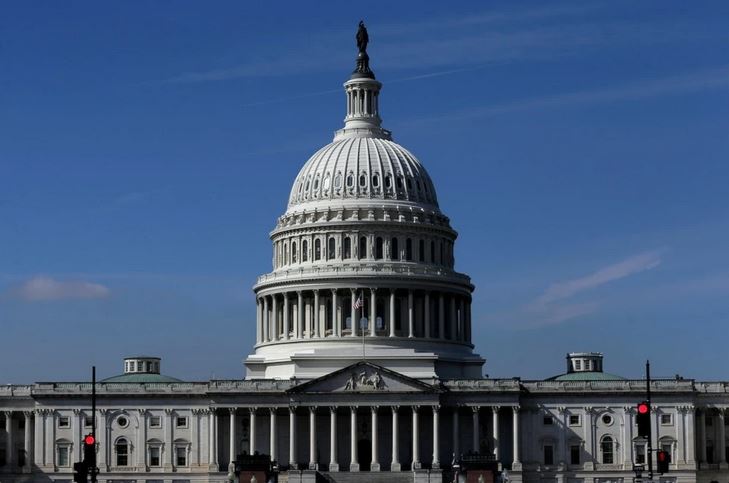
The U.S. Senate rejected a resolution this Wednesday intended to limit President Donald Trump's war powers in the aggression against Iran, a decision that consolidates the Republican majority's support for the military campaign promoted by Washington alongside the Zionist regime of Israel.
The initiative was defeated by 53 votes to 47, in a vote that highlighted the deep political division surrounding the escalating war in the Middle East. Democratic Senator John Fetterman voted against the resolution, aligning himself with the pro-aggression stance, while Republican Rand Paul was the only member of his party to support it.
The result allowed the White House to maintain the military aggression against Iran without legislative restrictions, an operation that has intensified regional tension and opened a debate on the constitutional limits of presidential war powers.
The vote took place on the fifth day of a rapidly expanding conflict in the region that has resulted in the martyrdom of Supreme Leader Ali Khamenei and hundreds of Iranians, in addition to casualties among U.S. forces.
Constitutional Debate on War Powers
The bipartisan resolution had been introduced by Republican Senator Rand Paul and Democrat Tim Kaine. The text demanded that U.S. forces withdraw from hostilities against Iran unless Congress formally authorized the military campaign.
Proponents of the initiative argue that President Trump overstepped Congress by ordering airstrikes in Tehran without the legislative authorization required by the U.S. Constitution.
Following a classified briefing with government officials, Kaine stated: "No evidence was presented in that room (...) suggesting that the United States faced an imminent threat from Iran."
The senator argued that the administration has changed the justifications for the military aggression on several occasions, which has increased doubts in the Capitol about the legality and objectives of the campaign.
The "Imminent Threat" Argument
The Senate debate centered around the concept of an "imminent threat," the argument used by the White House to justify the military operation.
Although the U.S. Constitution establishes that Congress is the only body with the authority to declare war, the War Powers Act passed in 1973 allows the president to initiate limited military actions to respond to emergencies arising from attacks or immediate threats against the United States.
In the televised address in which he announced the military operation, Trump asserted that Iran posed an "imminent" threat to American interests.
However, several legislators maintain that the information presented by the administration does not support that claim. Even Pentagon officials acknowledged before the U.S. Congress that there is no evidence that Iran had plans to attack U.S. forces first in the Middle East, according to sources familiar with the closed-door briefings.
Fear of a Prolonged War
The debate in the Capitol also reflects broader concerns about the scope and duration of the military offensive against Iran.
Government officials informed members of Congress in classified sessions that the operation could last for weeks and require additional resources approved by Congress.
Legislators from both parties anticipate that the Pentagon may request emergency funds to replenish arsenals and sustain the military campaign in the region.
Although Democrats recognized that the resolution had little chance of success, they stated that the goal was to force Congress to publicly pronounce itself on the military aggression against Iran.
Añadir nuevo comentario