
Torricelli Act: Three Decades of Suffocation Against Cuba
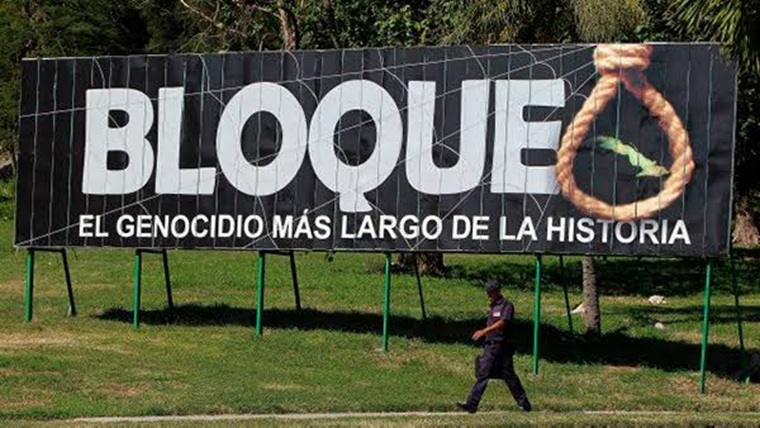
Foto: tomada de clacso.org
More than three decades after its approval, the Torricelli Act — which internationalized the U.S. blockade against Cuba by prohibiting trade with that nation's subsidiaries in third countries — today projects its extraterritorial shadow with renewed vigor.
Far from being a relic, the suffocating spirit of this legislation remains fully in force in the current Cuban scenario, marked by financial persecution and new coercive measures from Washington that directly affect the daily life and well-being of the population.
Approved on September 24, 1992, and signed into law by then-President George Bush (the elder) on October 23 of that year, the misnamed Cuban Democracy Act was conceived to aggravate the island's economic vulnerability after the collapse of the Soviet Union and the disappearance of the European socialist bloc.
The bill, introduced in the 102nd Congress by legislator Robert Torricelli, sought to totally isolate Cuba from the international environment and provoke the collapse of its economy. Under a rhetoric that invoked concepts such as democracy and human rights, the measure even hinted at the possibility of a military intervention.
Its main provisions included the prohibition of financing operations by U.S. companies, the veto on Cuba's use of the dollar and the restriction of trade in materials considered strategic or in goods with more than 20 percent U.S. components.
That spirit of threat and strangulation is reflected in the stance of President Donald Trump, who the day before, during the High-Level Segment of the 81st session of the UN General Assembly, ignored the harm of the blockade on the Cuban people and uttered slanders that prompted the withdrawal of the Caribbean delegation.
On repeated occasions, Trump threatened the use of military force against the island, going so far as to say: "I don't think much more pressure can be applied, except to go in and destroy the place."
The validity of the Torricelli Act takes on a new nuance with the Executive Order signed on January 29, 2026, which prevents the arrival of fuel through sanctions, intimidation and harassment of third countries and oil companies; added to this is the persecution of shipping companies that transport essential supplies.
According to Cuba's Ministry of Foreign Affairs, the accumulated damages from the blockade amount to 178.5 billion dollars at current prices; without that policy, the country's Gross Domestic Product would have been 10.8 percent higher than the estimated value.
After more than six decades of application of the blockade and the framework of laws that sustain it, its purpose remains the same: to destroy the Revolution. Nevertheless, Cuba reaffirms its willingness to defend its social project and advance in the construction of socialism.
Añadir nuevo comentario