
BRICS in India Make History on the 20th Anniversary of Institutional Cooperation
Brics en India hacen historia a 20 años de cooperación institucional
The BRICS Leaders' Summit held under India's chairmanship made history in 2026 as the group celebrates its 20th anniversary of institutionalized cooperation this year.
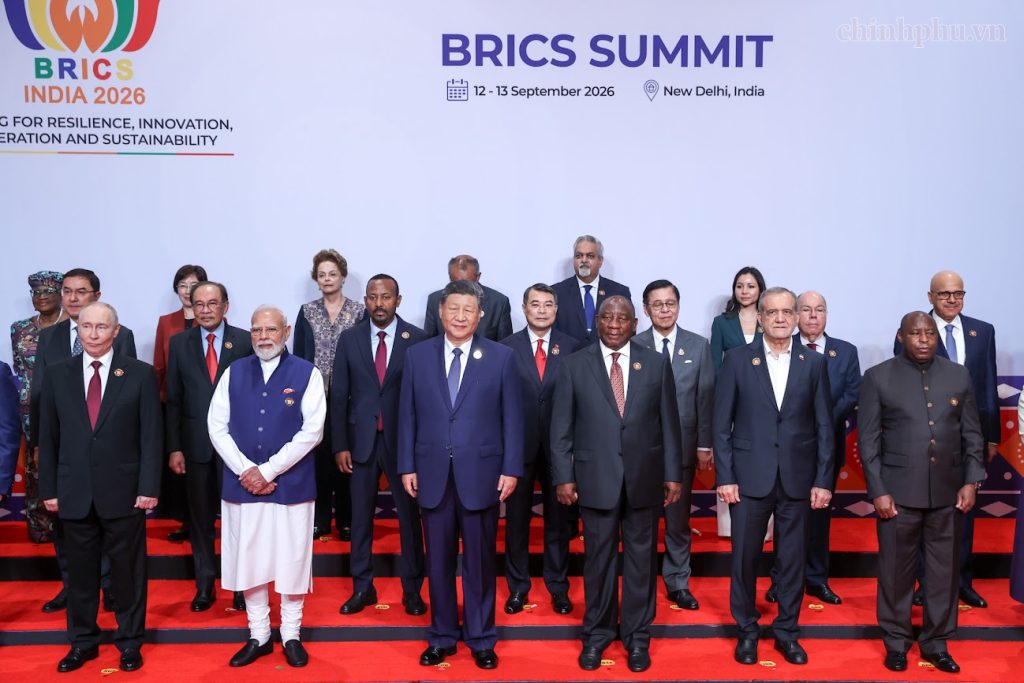
Conducted over the weekend, the meeting brought together leaders and high-level representatives from 11 member states and 10 partner countries, including Cuba. The gathering stood out for its high level of organization, but most notably for the depth and strength of its debates and outcomes.
During the meeting of member states, high-level representatives—including Indian Prime Minister Narendra Modi as host, along with Presidents Vladimir Putin of Russia, Xi Jinping of China, Cyril Ramaphosa of South Africa, and Masoud Pezeshkian of Iran, among others—reviewed the collective achievements of the block.
They addressed the political orientation, which is significant for maintaining the momentum of the BRICS partnership.
In this context, India sought to build upon the work of previous chairmanships while focusing on the theme of its own mandate: "Building for Resilience, Innovation, Cooperation, and Sustainability."
Guided by this framework and the principle of "Humanity First," Indian authorities defended their objective of making BRICS cooperation more practical, forward-looking, and responsive to the priorities of the people. The member countries' session, held under the theme "Inclusive Global Governance and Strengthening Multilateralism," also coincided with the United Nations Day for South-South Cooperation, providing an ideal setting to discuss the role of emerging and developing economies in a changing world order.
Participants presented their respective national perspectives, yet there was broad consensus on the need to strengthen multilateralism and ensure that global governance institutions are more representative, inclusive, effective, and capable of addressing current realities.
The leaders reiterated their support for a comprehensive reform of the United Nations, including its Security Council, to give greater representation to developing countries, as well as reforms to the international financial architecture to provide a stronger voice for developing nations and the Global South.
The debate reaffirmed the core principles of BRICS cooperation, which are rooted in mutual respect, equality, solidarity, openness, inclusiveness, and consensus, addressing differences through dialogue and consultation.
A similar approach characterized the exchange of views on the geopolitical situation, featuring analyses of the impact of ongoing conflicts and economic uncertainties, while highlighting the importance of dialogue, diplomacy, and the peaceful resolution of disputes.
In his address, Modi emphasized the importance of amplifying the voice of the Global South and reforming global governance to make it more representative, inclusive, and adapted to contemporary realities.
He stressed the need for BRICS to maintain its focus on practical cooperation and development-oriented results that improve the lives of citizens.
The Indian head of government presented four specific collaborative initiatives, including the creation of a roadmap for the reform of global governance and the establishment of an emergency support network to assist seafarers in distress worldwide.
Furthermore, he proposed a capacity-building initiative for the Global South aimed at developing the skills of officials and young professionals in new and emerging fields, such as technology and global standard-setting.
A pivotal moment came with the adoption of the clear "New Delhi BRICS Leaders' Declaration," which unequivocally establishes shared priorities, commitments, and the future trajectory of the group's cooperation.
Its approval demonstrated that the block's members are capable of fostering and reaching consensus on issues of global importance, and that this spirit of collaboration and cooperation among members remains central to building trust and confidence in the group's operations.
Additionally, the summit produced more than 50 practical deliverables framed within the four pillars of resilience, innovation, cooperation, and sustainability, illustrating the progress made regarding these priorities.
The robust attendance at the summit, which included representatives from 10 partner nations and special invitees, underscored the significance attributed to BRICS, its growing engagement with the developing world and the Global South, and the confidence placed in India's chairmanship.
Añadir nuevo comentario