
From School to Cell Phone: How Bullying Has Transmuted
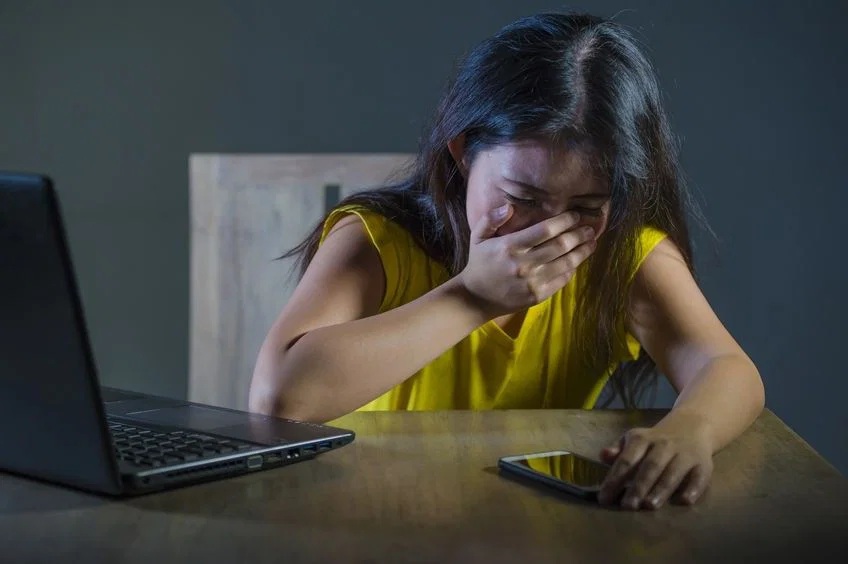
School bullying and cyberbullying are no longer perceived as simple problems of coexistence but have become a public health priority in the Americas. This is the view of the Pan American Health Organization (PAHO), which recently published the guide "What Works to Prevent Bullying and Cyberbullying of Children and Adolescents in the Americas."
The document is a resource that brings together evidence, recommendations, and practical tools to address a form of violence that, according to the organization's data, affects one in four adolescents aged 13-17 in Latin America and the Caribbean.
Image: High school students in a classroom
However, the figure is not uniform across the region. Different School Health Surveys reveal that, while in Central American countries approximately 23% of students report having suffered bullying, the proportion in the Caribbean reaches 25% and in South America 30%.
These variations, based on reports compiled from 2009-2019, reflect the complexity of a phenomenon that knows no borders and manifests itself differently depending on the context.
They also take on diverse characteristics that often occur simultaneously. These include physical, verbal, sexual, and social harassment. The nature of the harassment differs according to sex: physical harassment is more prevalent among males, while social and sexual harassment affects females more.
When Violence Goes Digital
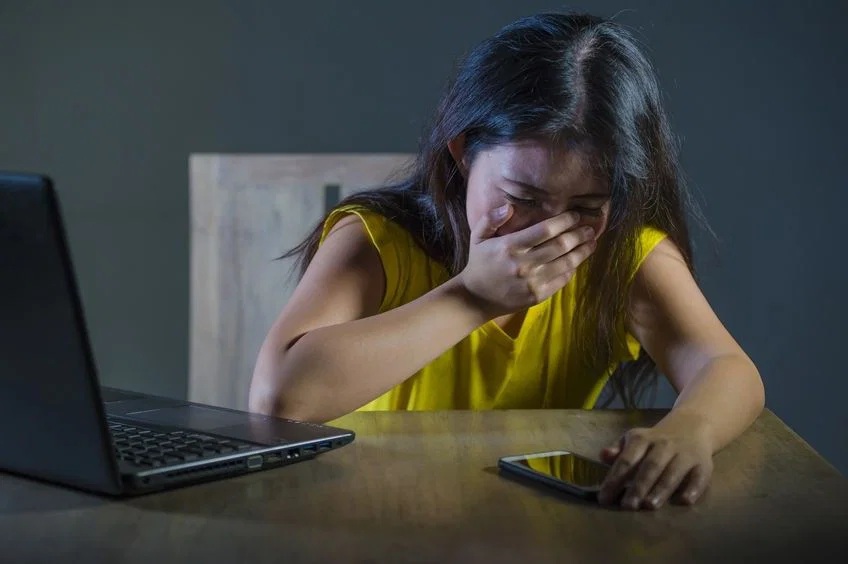
The exponential growth in the use of digital technologies has transformed how peer violence manifests. Cyberbullying—defined as harassment, threats, or humiliation through social networks, instant messaging, online video games, forums, or other digital platforms—adds a dimension that amplifies the harm.
Unlike in-person harassment, cyberbullying can occur at any time, spread rapidly, and reach massive audiences. The anonymity of the aggressors and the permanence of the content on the internet prolong the suffering of the victims indefinitely.

In some countries of the region, between 7% and 27% of children and adolescents report having experienced this type of bullying in the last 12 months. However, the highest rates are consistently found among girls.
The Pan American Health Organization (PAHO) https://www.paho.org/es emphasizes that cyberbullying does not occur in isolated environments. It frequently reflects, amplifies, or prolongs dynamics of violence that also occur offline, especially in schools.
It also often interacts with other forms of digital intimidation, such as the dissemination of personal information without consent, identity theft, or image-based abuse.
Consequences that extend beyond the classroom
The kit presented by PAHO warns that considering bullying solely as a school coexistence problem minimizes its potential health effects. Exposure to these forms of aggression is associated with:
-Depression, anxiety, and traumatic stress.
-Social isolation and sleep disorders.
-Self-harm, suicidal thoughts, and suicide attempts.
-Negative impacts on educational and social development.

Unlike those who do not experience it, the cited studies show that students who suffer from this phenomenon more frequently report feelings of loneliness, difficulty sleeping, and suicidal thoughts.
They also report injuries, somatic symptoms, chronic pain, and situations of coercion or sexual pressure.
These incidents demonstrate, according to PAHO, that the response should not be limited to the educational sphere and requires the active participation of health systems.
Therefore, these guidelines include a list of warning signs for the awareness of parents, teachers, and health personnel. Sudden changes in behavior, anxiety, irritability, social isolation, unexplained injuries, or refusal to attend school could indicate that a child or adolescent is being bullied.

In the specific case of cyberbullying, the signs include:
-Anxiety upon receiving notifications.
-Abruptly closing screens when an adult approaches.
-Reluctance to talk about online activities.
-Sudden abandonment of previously active digital accounts.
Therefore, PAHO urges health services to play a more active role in the early identification of the problem. During routine consultations, asking about experiences at school and online, assessing potential impacts on mental health, and providing initial support or referrals to specialized services would be very helpful in identifying a case of bullying.
Beyond Isolated Solutions
With the importance of not limiting themselves to simply diagnosing the problem, PAHO's strategies present concrete examples of effective programs implemented in the region.
Examples include Aulas en Paz (Colombia), Programa CONVIVE (Peru), Programa de Competencias Emocionales (Mexico), and Programa Vínculos (Chile). The report also mentions international programs adapted locally: the KiVa Antibullying Program from Finland, adapted in Chile, and the Olweus Program from Norway, adapted in Brazil and Mexico.
Reality shows that the most effective interventions are not isolated actions, but rather comprehensive and sustained resources. These combine social-emotional learning (empathy, conflict resolution), teacher training, active family participation, clear rules of online behavior, and digital literacy.

Similarly, the report emphasizes that prevention requires shared collaboration among the health, education, and social protection sectors, as well as the digital platforms themselves.
Governments, schools, health services, families, and communities all have roles to play in implementing evidence-based measures.
Bullying and cyberbullying are not isolated or inevitable phenomena. With this guide, the Pan American Health Organization (PAHO) seeks to ensure that proven strategies reach decision-makers, professionals working with adolescents, and the families who support their development.
Britta Baer, PAHO's regional advisor on violence and injury prevention and co-author of the guide, pointed out that these incidents during childhood and adolescence lead to a form of peer violence that can have significant consequences for physical, sexual, mental, and emotional health.
In this regard, she said that the most important thing is for children and adolescents to understand that these behaviors are unacceptable and that they should not face them without support.
Clearly, bullying and cyberbullying represent a public health emergency that cannot be delayed or postponed. International organizations like PAHO consider it a crucial and urgent battlefront.
Translated by Amilkal Labañino / CubaSí Translation Staff
Añadir nuevo comentario