
U.S. Imposes Tariffs on Brazil, Escalating Trade Tensions
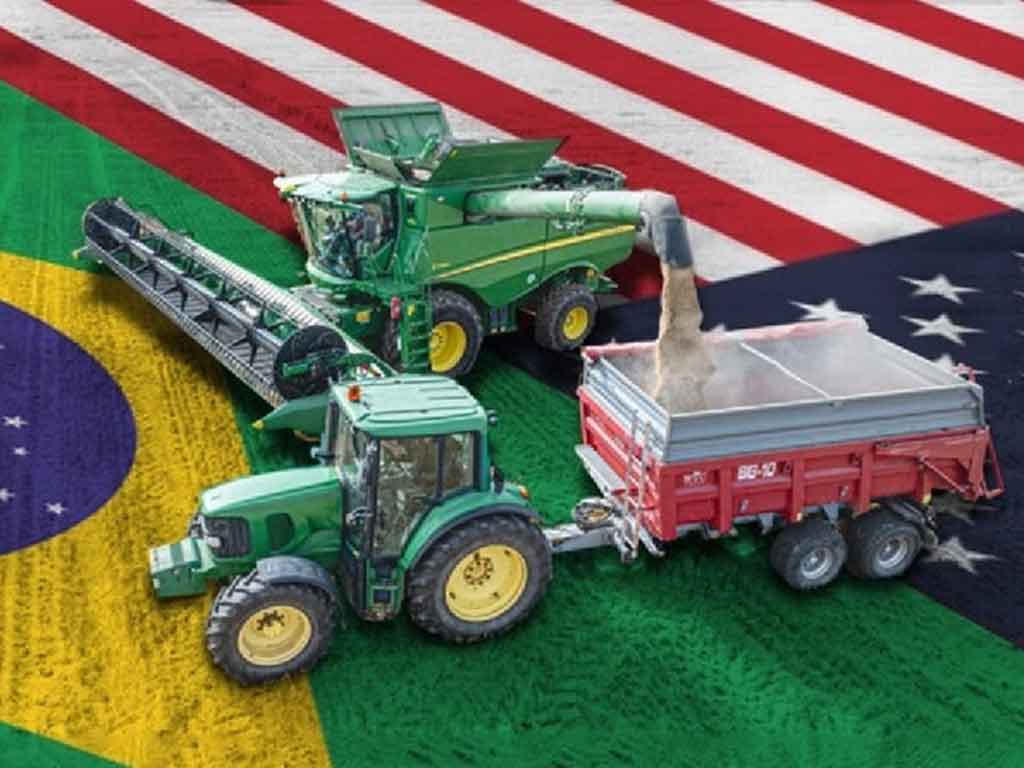
Imagen: tomada de Prensa Latina
Brazil faces a new chapter of trade tensions with the United States following today's decision by the Trump administration to impose an additional 25 percent tariff on products from the South American giant.
According to Poder360, the measure was confirmed by the Office of the U.S. Trade Representative (USTR) and responds to an investigation initiated under Section 301 of U.S. trade law, which questions various Brazilian public policies. President Donald Trump approved the application of the new tariff, the definitive list of which will be announced at a later date.
According to the portal Brasil 247, the USTR investigation focuses on six areas: the Pix instant payment system and digital trade, preferential tariffs, ethanol market access, intellectual property protection, anti-corruption efforts, and actions against illegal deforestation. The U.S. agency argues, among other issues, that Brazilian policies create unfavorable conditions for American companies and, in particular, considers that Pix—developed by Brazil's Central Bank—favors domestic electronic payment services over foreign competitors.
Poder360 indicated that the new tariff excludes, for now, Brazilian exports of coffee and meat, although U.S. authorities warned that the measure could be revised if Brazil takes retaliatory action.
Prior to the confirmation of the decision, Brazilian Finance Minister Dario Durigan stated that President Luiz Inácio Lula da Silva's administration was evaluating whether to reactivate the process provided for under the Reciprocity Law should a new tariff package be finalized, CNN Brasil reported. Durigan explained that any decision would depend on consultations with the president and an analysis of the affected productive sectors, in addition to potential measures to mitigate the impacts.
The Federation of Industries of the State of Minas Gerais, for its part, warned that the tariff could reduce the competitiveness of Brazilian exports, favor the replacement of suppliers by international competitors, and generate pressures to renegotiate contracts and prices.
The U.S. trade investigation began in July 2025 and unfolded amid growing differences between the two countries over digital trade, payment systems, market access, and other economic policies, marking a new phase of friction in the bilateral relationship.
Beyond its commercial and economic effects, the new tariff may also influence the campaign for Brazil's general elections in October, where the defense of national sovereignty and the relationship with the United States have become central axes of the political debate.
Add new comment