
U.S. Hardline Policy Against Cuba Reaches American Citizens Too
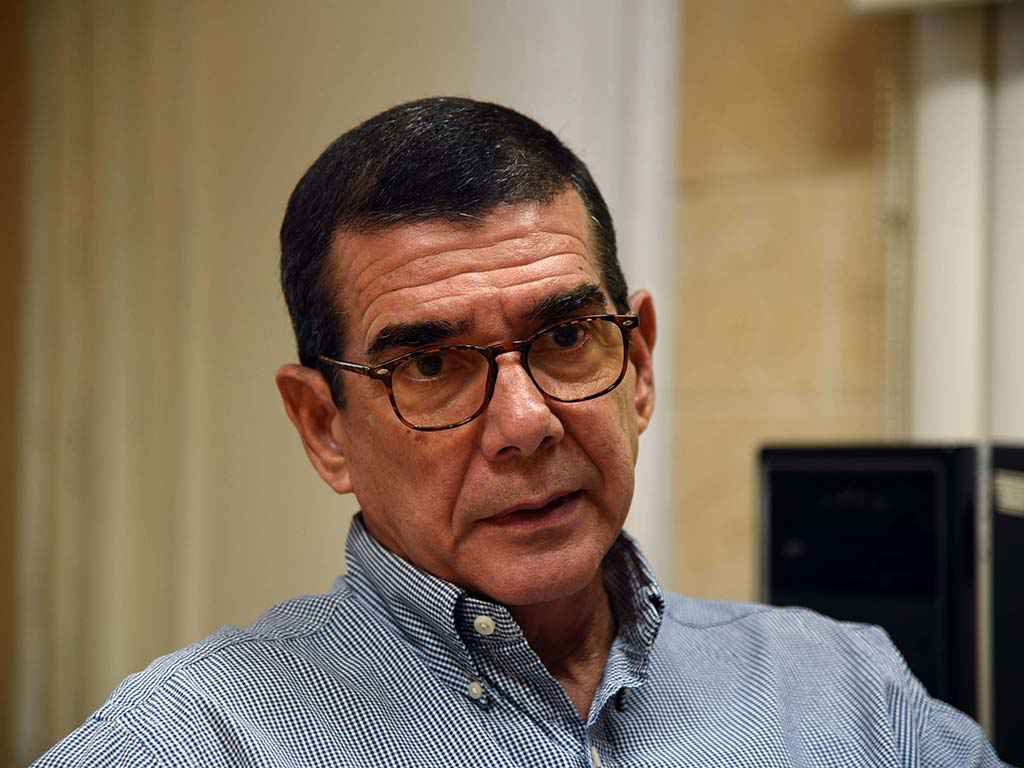
Cuban diplomat José Ramón Cabañas affirmed that the Cuban people are enduring the severe consequences of U.S. aggressiveness — a policy whose effects, he noted, extend beyond the island to reach the Cuban community in the United States and American citizens at large.
Speaking to Prensa Latina ahead of the conclusion of a visit to India, where he participated in the Raisina Dialogue strategic forum held in New Delhi from March 5 through 7, the director of the Center for Research on International Policy (CIPI) described the impact of Washington's unprecedented escalation of its economic blockade as severe.
He noted that the Cuban government has been compelled to restructure transportation, medical services, and education in response to critical fuel shortages caused by Washington's threats against any country attempting to conduct trade with Cuba.
Cabañas underscored that the Caribbean nation possesses the capacity to adopt such measures precisely because of its character as a single country, with a single national identity and a shared purpose of advancing through its own efforts.
"Nevertheless, there is no doubt that the impact of Washington's actions is severe, compounding previous measures that the U.S. administration had already been implementing," he reiterated.
The diplomat added that U.S. citizens are also being affected, as the policy obstructs scientific exchanges in fields such as health and education that could otherwise yield tangible benefits for Americans as well.
Regarding claims from Washington about supposed negotiations with Havana in exchange for certain concessions, Cabañas was clear: Cuba will be ready to negotiate with the United States, but only on the basis of respect, equality, and reciprocal commitments.
He pointed to the 2015–2017 bilateral negotiation process as a reference, which resulted in the signing of 22 mutually beneficial memorandums of understanding. Those mechanisms remained in place during the first two years of Donald Trump's first administration, in 2017 and 2018, and their principal results were felt during that period.
"There was an increase in travel in both directions involving millions of people, and a series of important steps were taken in law enforcement and compliance — including the technical reduction to zero of undocumented or irregular migration from Cuba to the United States," the diplomat explained.
He stressed that a concrete set of tangible outcomes emerged from that negotiation process before it was abruptly interrupted when Washington shifted its focus to targeting the Venezuelan people.
"When the Lima Group was created and everything related to the figure of Juan Guaidó was set in motion, that is when what had been happening with Cuba changed," he noted.
Add new comment