
U.S. Authorizes Sale of Russian Crude Oil Amid Energy Market Volatility
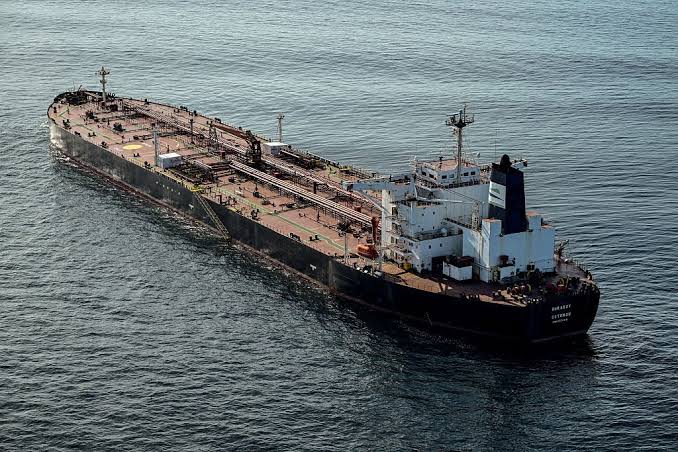
Un carguero de la flota rusa. Foto: Getty Images.
The United States has issued a new general license regarding Russia that authorizes the sale of Russian-origin crude oil and petroleum products loaded onto vessels no later than 12:01 a.m. (local time) on March 12, 2026, the Department of the Treasury announced. The measure comes amid significant volatility in energy markets driven by the war in the Middle East.
The license states that all transactions previously prohibited under the listed authorities are authorized through 12:01 a.m. on April 11, 2026, provided they are "ordinarily incident and necessary" to the sale, delivery, or offloading of those cargoes. The authorization applies to "any vessel," including those blocked under those same authorities.
The license specifies that it does not authorize other transactions or activities prohibited under additional executive orders, including those related to Iran or the Government of Iran.
U.S. Treasury Secretary Scott Bessent stated on his X account that President Donald Trump "is taking decisive action" to promote stability in global energy markets and is working to "keep prices low."
"To increase the global reach of existing supply, the Department of the Treasury is providing a temporary authorization to allow countries to purchase Russian oil that is currently stranded at sea," Bessent wrote.
The senior official emphasized that the measure is "specific and short-term in nature" and "will not provide significant financial benefit to the Russian government," as it applies exclusively to oil already in transit.
Previously, Trump announced that his administration would be willing to lift "certain oil-related sanctions to reduce prices" amid market volatility. "We have sanctions on some countries. We will lift them until this clears up," Trump said during a press conference, without specifying which sanctions his administration would suspend.
While other Gulf nations have been forced to reduce oil production due to their inability to export amid Iran's de facto blockade of the Strait of Hormuz, Iran has maintained and even increased its own crude exports through that waterway. According to data from maritime analytics firm Kpler, cited by The Wall Street Journal, Tehran exported an average of 2.1 million barrels of oil per day over the past six days — slightly above February's figure of 2 million barrels per day. China remains the primary destination.
Add new comment