
Traumatic Encephalopathy Found in 25% of Deceased Former NFL Players
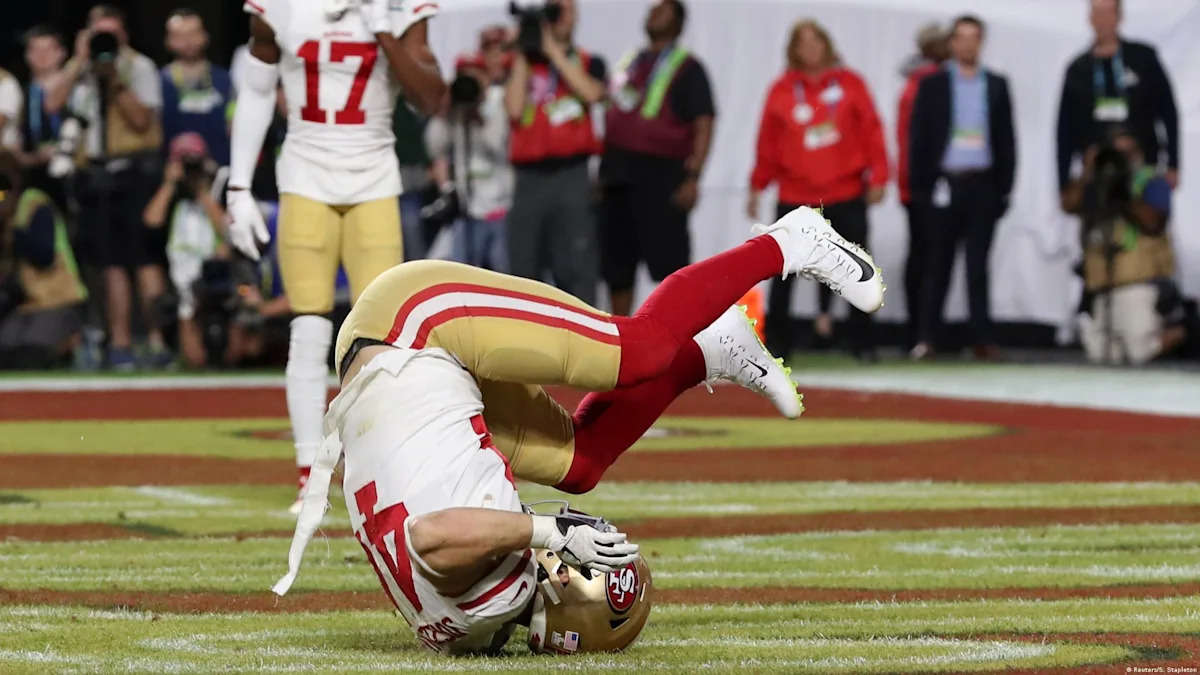
Ya sea por contacto con otros jugadores o por otras circunstancias del juego, el riesgo de que los jugadores de fútbol americano sufran golpes o conmociones en la cabeza es grande. Foto: Reuters/S. Stapleton
According to a study published Tuesday, at least one in four deceased former NFL football players who died between 2016 and 2021 had chronic traumatic encephalopathy (CTE). Of the 878 former players who died in that period, 235 donated their brains; researchers found CTE in 215 of them. CTE is a degenerative disease that can only be definitively diagnosed after death.
Behind every percentage are stories of athletes who spent years competing at the highest level. The study once again focuses attention on a question that has shadowed football for decades: what is the long-term cost of repeated blows to the head?
An NFL spokesperson stated: "The NFL continuously strives to make football safer, including through the implementation of strategies to reduce concussions and head impacts."
"The NFL remains committed to ensuring that the league community has access to a robust—and expanding—set of resources to improve their physical and mental well-being.
"We encourage former players to use these resources to identify issues and seek treatment when they are concerned about their health."
A Much Higher Mortality Rate
The study's lead author, Daniel Daneshvar—chief of physical medicine and rehabilitation at Mass General Brigham and associate professor at Harvard Medical School—noted that repetitive traumatic brain injuries are a known factor in elevated rates of neurodegenerative diseases.
"Likewise, we and other researchers have shown that, specifically among NFL players, the mortality rate from neurodegenerative diseases is about four times higher than in the general population," he added.
The study, conducted by Mass General Brigham, Boston University, and the Concussion & CTE Foundation, also revealed that dementia was common among brain donors; therefore, researchers urged preventive measures focused on reducing repetitive head impacts at all levels of the sport.
"The majority of head impacts these former NFL players suffered did not occur at the professional level, but in college... and in high school, and even, in many cases, at youth levels. All those accumulated hits to the head added up to create a greater risk," Daneshvar stated.
CTE Not Just an Elite Concern
One of the most striking findings is that the risk is not concentrated solely in the athletic elite. According to researchers, cumulative exposure begins years before reaching the NFL, broadening the debate over the safety of millions of young people who play this sport.
The NFL's 2011 collective bargaining agreement limited the number of contact practices during the season. Five years later, the Ivy League banned full-contact tackling during practices. The Supreme Court paved the way for the NFL to finalize in 2016 the settlement of concussion-related lawsuits filed by thousands of retired players.
"If the changes implemented in the NFL—including reducing the amount of contact in practices to fewer than one session per week—were extended to the college, high school, and youth levels, athletes would benefit," said Daneshvar, who urged current and retired athletes with cognitive symptoms to seek evaluation by a specialist in neurodegenerative diseases.
"We know that nearly 70% of head impacts occur during practices. Therefore, without changing a single minute of game time at any of those levels, we can considerably reduce the cumulative burden of head impacts that these individuals suffer over their lifetime."
As researchers insist that many of these impacts can be prevented, the discussion no longer revolves solely around athletic performance, but rather the balance between passion for a contact sport and the protection of long-term brain health. How far should changes go to reduce that risk?
Add new comment