
Surging Fuel Prices Spark Global Protests
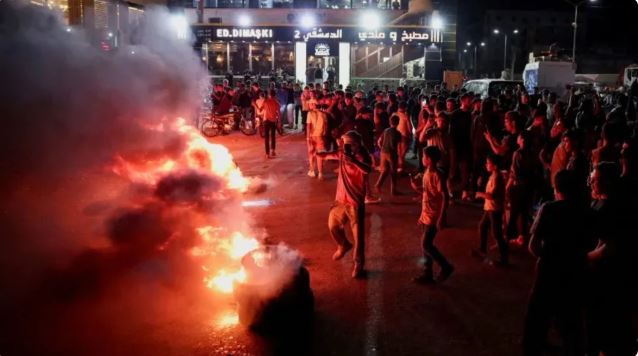
Manifestantes queman neumáticos y bloquean la carretera durante una protesta contra el aumento de los precios del combustible en la carretera entre Aleppo y Turquía, Siria, el 13 de septiembre. - Mahmoud Hassano/Reuters
Global oil prices surpassed the $100 per barrel threshold last week following new U.S. strikes against Iranian vessels in the Gulf and intensified fighting in Yemen, which continues to threaten maritime transport in the Bab el-Mandeb Strait. In the United States, this escalation has triggered rising gasoline prices alongside grave warnings for households reliant on heating fuel for the winter, with analysts forecasting a 30% price surge due to the conflict. For less wealthy nations, the strain on national treasuries and personal finances has pushed public patience to a breaking point, prompting widespread demonstrations as citizens struggle to afford fuel, commute, or maintain essential services.
In Syria, a sharp weekend price hike—raising diesel by roughly 40% and gasoline by over 25%—ignited the largest demonstrations in the country since the fall of the Assad regime two years ago. Protesters blocked the highway between Hasaka and Deir ez-Zor, burning tires and halting oil tankers to demand price reductions and the dismissal of officials. Meanwhile, in Guatemala, organized trucker groups and citizens blocked key thoroughfares, leading Congress to consider legislation establishing a price cap and importer subsidies. European nations have also felt the strain: in Portugal, local business owners marched to Prime Minister Luís Montenegro's residence, prompting a government relief package for transport and emergency services, while in France, fishermen blocked a major fuel depot in Fos-sur-Mer. In the Philippines, transport groups launched strikes over recurring pump price increases, forcing the government to explore reductions in petroleum excise taxes.
Add new comment