
Russia Considers Actions to Support Cuba Against U.S. Embargo
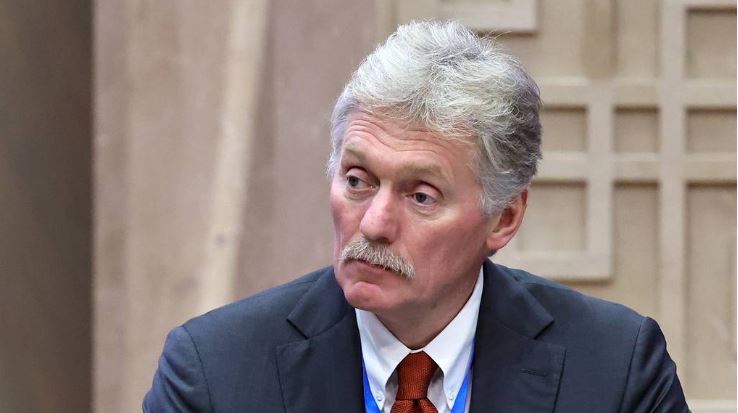
El portavoz presidencial de Rusia, Dmitri Peskov
Kremlin spokesman Dmitry Peskov confirmed today that his country is analyzing potential actions to support Cuba against the suffocating measures imposed by the United States.
"We are in contact with our Cuban friends. Cuba is unfortunately far from us, it is not easy to get there, but even so, we will discuss possible ways to provide aid with the Cubans," the Kremlin spokesman told the press, without providing details on the type of assistance being considered by the Eurasian giant.
Peskov added that, in Moscow's view, Havana faces serious difficulties due to the hostile actions of the U.S. government, which "strangles" the Caribbean nation.
"The problem there is not fuel. The problem there is the U.S. embargo. I do not believe it is right for one country to strangle another and its people," he stated.
In that context, the spokesman noted that "when there is no fuel to deliver medicines, when there is no fuel to urgently transport patients by air, that is something very bad."
Previously, Foreign Minister Sergey Lavrov denounced the neocolonial pressure tactics Washington imposes against Havana and Caracas, and reaffirmed Russia's solidarity with the peoples of both nations.
"The fight against any neocolonial practices, from unilateral coercive measures to military interventions, remains the focus of our attention. In this context, we confirm our solidarity with the peoples of Venezuela and Cuba," the chancellor stated.
On January 29, U.S. President Donald Trump signed an executive order declaring a "national emergency" over the alleged "unusual and extraordinary threat" that, according to Washington, Cuba supposedly poses to the security of the United States and the region.
The text accuses the Cuban government of aligning with "numerous hostile countries," harboring "transnational terrorist groups" such as Hamas and Hezbollah, and allowing the deployment on the island of "sophisticated military and intelligence capabilities" from Russia and China.
In response to these unfounded accusations, Cuban President Miguel Díaz-Canel stated that "this new measure evidences the fascist, criminal, and genocidal nature of a clique that has hijacked the interests of the American people for purely personal ends."
Add new comment