
Pacho Alonso: A Legacy of People and Heart
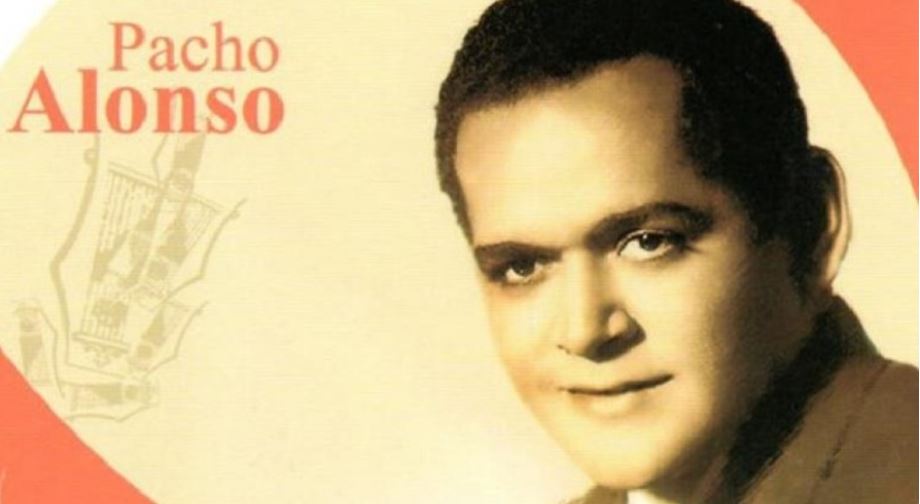
Cuban music owes an immense debt of gratitude to figures like Pacho Alonso (1928–1982), an artist committed to the craft that led him to conquer stages and earn the enduring admiration of his audience.
In the year of his centennial, his memory remains vibrant through the work of his son, Pachito Alonso, who has skillfully and honorably carried forward the torch of a creator whose artistic impact is, above all, a legacy rooted in the people.
Speaking exclusively to Prensa Latina about this heritage, Pachito describes it as a blessing, fully aware that the family has cemented his father's name in Cuba's musical history.
He expressed that it is both an honor and a deep satisfaction to witness the legacy his father left before his people and the world—a mark that transcends music to become a vital component of national identity.
However, for Pachito, memories of his father do not begin on grand stages; he recalls an early, deep connection that shaped his life from the start.
The two were inseparable, and it was Pacho who instilled in him the importance of dedicated study and meaningful communication with his professional peers.
That foundation—an early lesson in rigor and engagement—laid the groundwork for his discipline and his rapport with the public.
Pachito's personal and musical education was further guided by a core principle passed down by his father, which became essential to his development as an artist: drawing inspiration from a wide variety of genres and sounds.
This advice proved to be one of the most valuable inheritances he received, enabling him to absorb diverse influences while forging his own artistic voice.
Despite the historical significance of his father's work, Pachito remains critical of how little the output of Pacho Alonso and other monumental figures of Cuban music is currently broadcast.
This lack of full recognition serves as motivation for the Alonso family to continuously strive from their own platform to ensure that Pacho's legacy never fades.
The response to this challenge was not merely to keep the memory alive, but to evolve it, giving rise to Pachito Alonso y sus Kini Kini—a project born out of the need to honor this heritage while forging a new path.
Following his father's death on August 27, 1982, the undertaking was immense; yet, relying on the lessons and shared experiences of his upbringing, Pachito successfully created his own dance music style without losing the original essence.
The name Kini Kini—which to the orchestra leader means "everything is good, beautiful, correct, in F major"—reflects that optimistic philosophy, underpinning a popular ensemble cherished for its quality and versatility.
The group's discography spans everything from bolero to salsa and the iconic pilón rhythm originally conceived by Pacho Alonso.
In this centennial year, Pachito's greatest pride is seeing the Cuban people continue to dance to the rhythms created by his father, demonstrating that his music is not a distant relic, but an active presence and a guiding light.
There are countless reasons to honor Pacho Alonso today; the musician who created immortal rhythms remains eternal in his songs and in the ongoing work of his loved ones.
Any of his compositions is enough to evoke an artist whose career was defined by the wisdom of knowing that true popularity is earned in the heart of the people.
Add new comment