
How Does the Illegal Blockade Against Cuba Affect Children's Health?
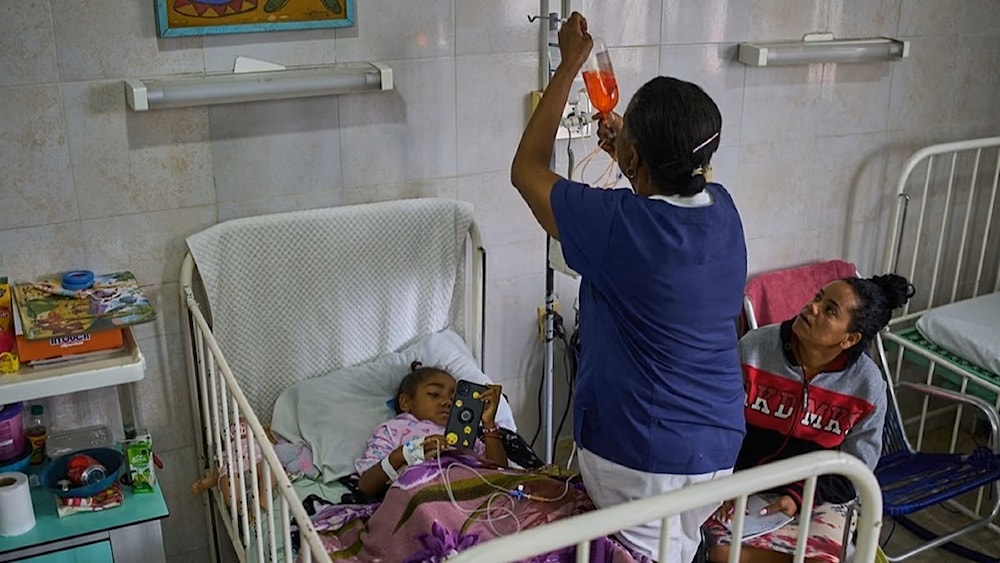
Salud infantil en Cuba bajo presión del bloqueo.
Child health was for decades one of the main indicators of the Cuban healthcare system. With universal and free coverage, the island achieved infant mortality rates lower than those of several countries in the region. However, in the last decade, the indicators show a sustained deterioration.
According to data cited in the article, mortality in children under five years old went from 6.0 to 8.3 per 1,000 live births, while infant mortality increased from 4.0 to 9.9 per 1,000 live births.
The analysis links this setback to the cumulative impact of the economic sanctions imposed by the United States since 1962, considered the longest applied against any country.
A Sanctions Regime with Structural Effects
The United States currently maintains sanctions against 16 countries and, according to the text, its measures have a broader reach than those imposed by the UN Security Council. In the Cuban case, the restrictions include the prohibition on selling technology containing more than 10% U.S. components, which directly affects the health sector.
Medical equipment such as infusion pumps, cardiac catheters, ventilators, hemodialysis machines, or surgical equipment are out of reach for the Cuban system if they incorporate components of U.S. origin.
Although in theory it is possible to request licenses for the export of medicines, the article maintains that these are granted on an exceptional basis.
Furthermore, the designation of Cuba as a "State Sponsor of Terrorism" in 2021 reinforced financial limitations. Since then, 200 foreign banks and institutions have stopped operating with the island, complicating international payments and essential imports. Even multilateral organizations have reduced their cooperation for fear of financial reprisals.
Shortage of Medicines and Equipment
The Cuban National List of Essential Medicines includes 651 drugs: 250 imported and 401 nationally produced. However, more than half (364) are in short supply. Even locally manufactured medicines face difficulties due to the lack of reagents and inputs, many of them linked to U.S. suppliers or subject to indirect restrictions.
Among the most sensitive impacts on child health are:
Type 1 Diabetes: Difficulty accessing insulin pumps and consumables.
Kidney Diseases: Refusal by companies like Baxter Healthcare —the main regional supplier— to sell dialysis machines.
Pediatric Oncology: The absence of some chemotherapies forces modifications to standard treatments; childhood cancer survival rates are reported to have dropped from 75% to 60%.
Pediatric Surgeries: 9,913 children are on waiting lists due to lack of supplies, medicines, or equipment.
The article also notes that Cuban scientists cannot access 21 biomedical databases from the U.S. National Institutes of Health, limiting scientific exchange.
Disease Outbreaks and Deterioration of Basic Services
The fuel shortage has reduced fumigation campaigns against the mosquito that transmits dengue and other arboviruses. In 2025, outbreaks of dengue, Oropouche, and chikungunya were recorded, with an estimate that one-third of the population may have suffered some arbovirus infection.
Energy problems constitute another critical factor. Failures in power plants cause frequent blackouts, affecting:
Conservation of food and medicines.
Functioning of hospitals.
Supply of drinking water and sanitation.
The text emphasizes that no healthcare system can operate without stable electricity, and that the recent U.S. executive order imposing tariffs on countries that supply oil to Cuba worsens energy vulnerability.
Nutrition, Migration, and Social Effects
Food insecurity especially impacts infants, young children, and pregnant women. The reduction in the importation of powdered milk, flour, meat, and poultry, along with the drop in local production due to lack of fuel and inputs, affects growth and the strength of the children's immune systems.
Added to this is the migration of young professionals, including healthcare workers, which creates vacancies in hospitals and medical centers. The departure of parents abroad also alters the family structure, with economic and psychological consequences for minors.
A System Under Illegal and Coercive Pressure
Despite the tightening of more than 200 additional measures since 2021, the Cuban health system continues to offer free care. However, the article concludes that economic sanctions have direct effects on the most vulnerable sectors, especially children, by limiting access to medicines, equipment, food, and basic services.
The discussion on the humanitarian impact of economic sanctions continues in international forums, where various organizations have called for their review.
In the case of Cuba, the recent deterioration of child health indicators reopens the debate on the structural consequences of a blockade that spans more than six decades.

Add new comment