
FAO for Innovation and Investment in the Face of Hunger
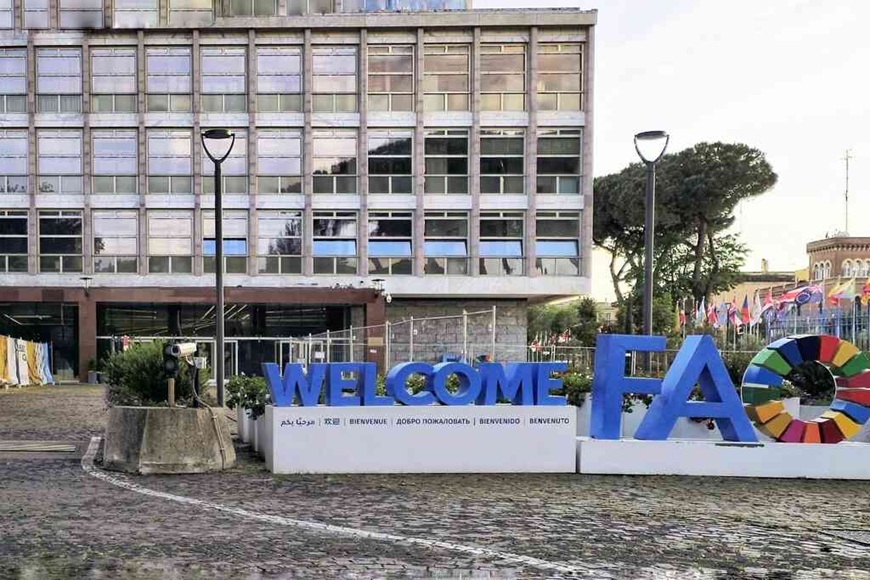
Foto: tomada de PL
The World Food Forum (WFF) occupied international press headlines this week with its debates on the need to transform science, innovation, investment, and knowledge into food accessible to all.
Convened by the FAO at its headquarters in Rome, the event—which celebrated World Food Day this Friday—met under the theme "Innovate today to nourish tomorrow," with the participation of government representatives, researchers, producers, investors, youth, and indigenous communities from all regions.
The program of the United Nations Food and Agriculture Organization linked the transformation of agrifood systems with food security and rural development.
The backdrop is alarming: some 673 million people in the world suffer from hunger and around 2.6 billion cannot afford a healthy diet, FAO Director-General Qu Dongyu reiterated on more than one occasion at the WFF.
To that reality are added extreme climate phenomena, pressure on biodiversity, climate change, wars, and inequalities that hinder access to food. Among the main results of the event was the presentation of agrifood investment opportunities worth a record 20.16 billion dollars, proposed by 38 countries and five regional initiatives at the Investment Forum of the Hand-in-Hand initiative.
The projects cover staple crops, livestock, fishing, and higher-value commercial products, and aspire to improve productivity, rural incomes, and the resilience capacity of vulnerable communities.
The Latin America and Caribbean region presented opportunities worth 2.292 billion dollars, through proposals from nine countries and two subregional initiatives.
Cuba presented projects linked to the coffee and honey production chains, aimed at modernizing processes, improving traceability, and expanding access to international markets.
Science and innovation occupied another central space during the meeting. Debates examined tools such as artificial intelligence, remote sensing, robotics, and biotechnology, together with local and traditional knowledge.
The challenge, participants insisted, consists of ensuring that these advances also reach small producers and communities with fewer resources, instead of widening existing technological gaps.
Water availability and its equitable distribution figured among the main concerns of the meeting. At the Rome Water Dialogue, the FAO director-general defended its more efficient use and measures to prevent the effects of droughts and floods.
The organization also presented a digital platform aimed at guiding irrigation investments according to agricultural needs and the sustainability of water resources.
In this context, the FAO recognized 100 women farmers for their contributions to agrifood systems on the International Day of Rural Women.
Among them was Cuban Magalys Pedrero Basulto, linked for decades to urban agriculture in Camagüey, an example of the role of women producers in community supply.
At the close, the Forum left a decisive question posed: how to transform investment proposals, scientific innovations, and international commitments into verifiable improvements for those who produce and consume food.
The magnitude of the announced resources contrasts with the persistence of hunger and reinforces the need for financing to reach the ground, benefit the most vulnerable populations, and contribute to sustainable and resilient food systems.
Add new comment