
Dulce María Loynaz: The Eternity of a Cuban Voice
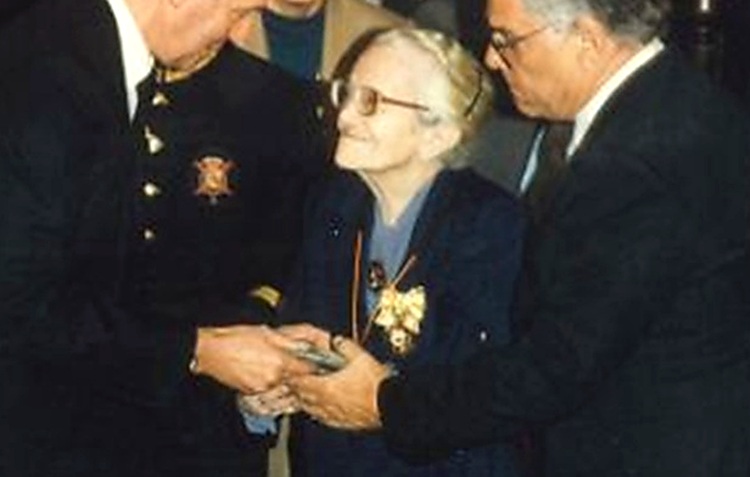
The ceremony took place on April 23, 1993, in the Great Hall (Paraninfo) of the University of Alcalá de Henares.
"If you love me, love me in my entirety, / not just in patches of light or shadow..." These lines by Dulce María Loynaz (1902–1997) also serve as a statement of the principles behind her literature—a body of work that cannot be fragmented, and which reveals itself fully, with all its silences, restless concerns, and beauty.
Thus, when the Miguel de Cervantes Prize came knocking on her door on November 5, 1992, Cuba secured one of the most significant recognitions in its literary history.
Awarded since 1976, the Cervantes Prize honors the complete body of work of writers who have made an outstanding contribution to Spanish-language literature. Regarded as the highest accolade in the Hispanic literary world, it had been awarded to 25 Latin American authors by 2025.
Loynaz was the second woman to receive the prize—following the Spanish philosopher María Zambrano—and the third Cuban writer to be included among its recipients. Alejo Carpentier had received it previously, in 1977, and Guillermo Cabrera Infante would receive it later, in 1997. She was, and remains to this day, the only Cuban woman to have been honored with this award.
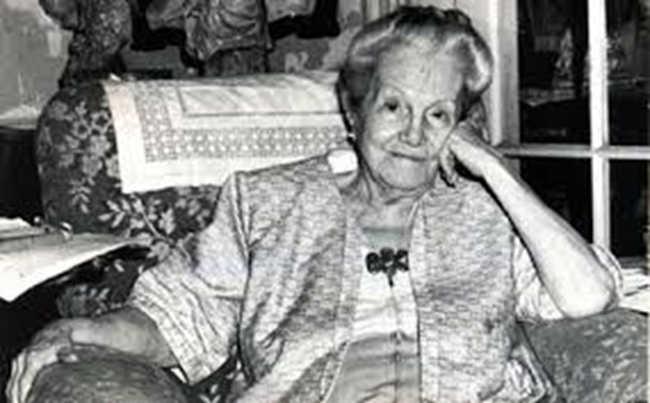
From *Versos y Juegos de agua* to *Poemas sin nombre*, *Últimos días de una casa*, and *Jardín*, her writing constructed a universe of intimacy, nature, memory, and existential reflection. Her poetry—of extraordinary depth—found, through silence and contemplation, the precise words to express universal emotions; meanwhile, *Jardín*, her lyrical novel, revealed a unique capacity to transform the landscape into a territory of the soul.
In November 1992, a woman who had made introspection—a quiet, withdrawn way of life—almost her very mode of existence, received the highest honor in Spanish-language literature. Her name was inscribed alongside those of Borges, Octavio Paz, Juan Carlos Onetti, and other giants of our language.
For Dulce María Loynaz—the Cuban writer who received the Miguel de Cervantes Prize 24 years ago today—turned the written word into a space that could hold the world and all its mysteries, and transformed her silences into a voice that time has not managed to extinguish.
Add new comment