
Diving in Cuba: A True Tourist Adventure
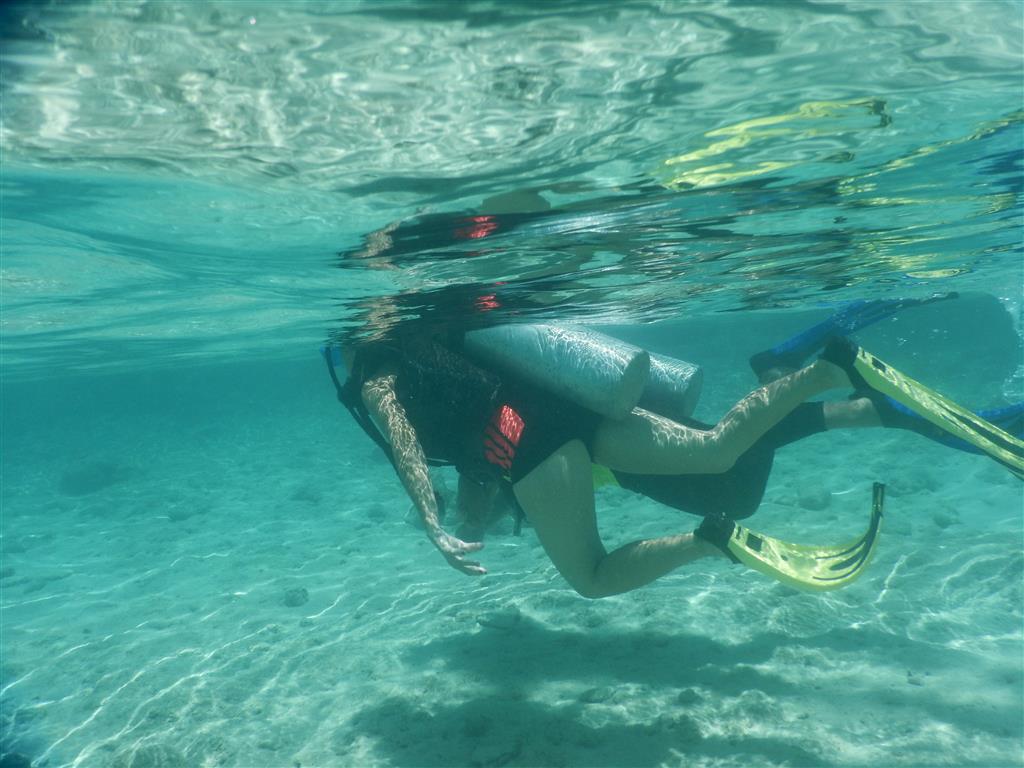
Foto: tomada de Prensa Latina
The desire to seek new adventures related to the ocean floor draws travelers from across the globe who pursue active vacations in destinations as compelling as Cuba.
Cuba's geographic characteristics — its countless cays and island platform systems — make contemplative diving a particularly attractive offering for tourism. This view, supported by tour guides and the Ministry of Tourism (Mintur), reflects the broad range of vacation possibilities available throughout the country.
The climate, landscapes, and facilities that complement diving and snorkeling programs are remarkable, offered through companies such as Ecotur and Marlin — the former dedicated to nature, adventure, and rural tourism, and the latter focused on maritime activities. These offerings include catamaran excursions and shore-based tours across the archipelago's many points of interest.
For those seeking to make the most of their underwater experience — whether through diving or submarine photography — expert recommendations point to a well-defined set of prime destinations: Isla de la Juventud, Cayo Largo del Sur, María La Gorda, the northern Havana coastline, Varadero, the Zapata Peninsula, Santiago de Cuba, the northern coast of Camagüey, Holguín, Jardines del Rey, and Jardines de la Reina.
Of these, Jardines de la Reina stands above the rest. Celebrated by a significant portion of professional divers who have visited the island, this marine sanctuary in the southern waters of Cuba is considered the premier site for the most adventurous underwater explorers.
A Mintur report once noted the existence of "more than 500 well-documented dive zones on the island, with underwater landscapes, exotic corners, caves, vertical walls, and tunnels." Divers may also encounter cliffs and channels offering endless options for both day and night dives. Beyond the natural formations, the wrecks of Spanish fleet vessels from earlier centuries still hold secrets waiting to be discovered.
Specialists recommend Isla de la Juventud and Cayo Largo for their diverse marine life; María La Gorda, in Pinar del Río, for its pristine conditions; the northern Havana coastline; and Varadero, with its artificial underwater park. The Zapata Peninsula stands out for cave diving, while Cienfuegos showcases among its wonders the Notre Dame coral formation, standing six meters tall.
Santiago de Cuba, located approximately 900 kilometers east of Havana, offers a historically rich diving experience, with numerous shipwrecks serving as testimony to the naval engagements of the Spanish-Cuban-American War of 1898. It is estimated that roughly one thousand vessels were sunk in these waters, among them caravels carrying treasures from the New World, lost to pirates and storms alike.
Trinidad's coastal waters also merit attention, prized by divers for their "enviable visibility."
Several underwater photography competitions are organized at various points along Cuba's coastline and island platform, taking advantage of its well-preserved marine beauty, favorable climate, and adequate infrastructure. These practices enrich the island's recreational landscape while promoting responsible appreciation of its underwater environments — ensuring these natural treasures are preserved for future generations.
Add new comment