
Cuba, Solidarity, and U.S. Foreign Policy
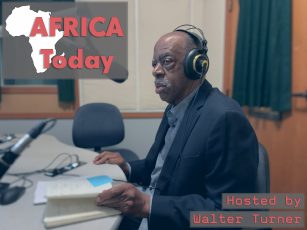
On Hard Knock Radio, host Davey D engaged Professor Walter Turner and Corina Nolet of Global Exchange in a timely discussion on Cuba, the tightening U.S. blockade, and the broader pressures affecting the Caribbean and Latin America.
Davey D began by challenging the dominant narrative that portrays Cuba as a failed state deserving of punitive measures. He framed the current crisis as the product of disinformation, “gaslighting,” and a longstanding pattern of U.S. hostility toward a country that has historically supported liberation movements worldwide.
Walter Turner placed the discussion within a historical framework, recalling the Black Panther Party’s 1969 United Front Against Fascism conference in Oakland. He connected that legacy of international solidarity to present-day struggles, arguing that prevailing narratives often overlook Cuba’s global contributions to anti-colonial and anti-apartheid movements, particularly in Africa. Turner emphasized that Cuba’s involvement in countries such as Angola, Namibia, and South Africa has been largely omitted from mainstream historical accounts.
Corina Nolet provided a detailed account of current conditions on the island, describing Cuba’s situation as a “man-made humanitarian crisis” resulting from more than six decades of economic pressure. She explained that the blockade has severely affected daily life, contributing to shortages of fuel, food, and medicine, while placing immense strain on hospitals and essential services. According to Nolet, these conditions are not the result of internal mismanagement but of deliberate economic restrictions. She pointed to rising dengue cases, increased childhood cancer mortality, and limited access to medical supplies as evidence that the blockade has direct human costs.
The discussion also addressed the perception that U.S. intervention is widely supported among Cubans. Nolet distinguished between voices amplified in Miami and the perspectives of those living on the island, asserting that Cubans in Cuba do not support a U.S. takeover. Both guests characterized the blockade as a violation of human rights and international law.
The conversation concluded with a call to action. Nolet highlighted Global Exchange’s ongoing solidarity initiatives, including humanitarian aid efforts and support for the Nuestra América Convoy. Turner and Davey D underscored that the issue extends beyond Cuba, raising broader questions about global power, collective punishment, and the defense of self-determination and human rights.
Add new comment