
Cuba Eases Import Regulations for Excess Goods
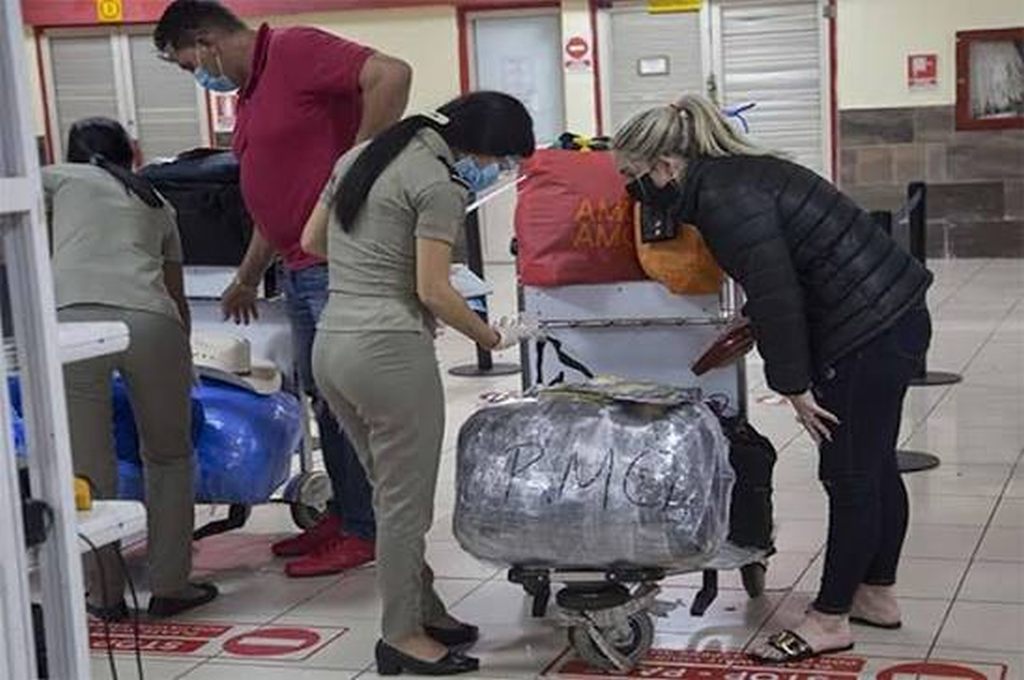
HAVANA — Cuba has eased import rules for individuals by allowing commercial clearance for goods that exceed non-commercial limits, official sources reported today in Havana.
The measure is contained in Resolution 340 of the General Customs of the Republic, which implements the provisions of Decree-Law 132 and establishes a seven-day period for its implementation, explained Nelson Enrique Cordovés, head of the customs authority.
Speaking on the television program Mesa Redonda, the official specified that the new regulation does not alter existing limits for non-commercial imports. Those remain capped at $1,000 for passengers and $500 for shipments, alongside established quantity limits for specific items.
The key change allows citizens to opt to import surplus goods as commercial items and pay the corresponding customs duties in U.S. dollars.
Under this system, an individual who exceeds the established limit will receive an initial clearance for the portion authorized as non-commercial import, followed by a second invoice for the remaining items, payable in foreign currency.
Cordovés clarified that this option is voluntary. If a traveler chooses not to opt for commercial clearance and pay the duties in dollars, the surplus goods remain subject to seizure under existing rules.
The regulation also establishes that certain products may be classified as commercial items by their very nature, even if their total value falls within the $1,000 limit. As an example, the head of customs cited display cases used to exhibit merchandise in small businesses.
Resolution 340 consolidates into a single legal text provisions previously contained in Resolutions 175, 170, and 312 of the General Customs of the Republic, including regulations regarding the import of mopeds, combustion tricycles, and fully electric vehicles.
For his part, Minister of Finance and Prices Vladimir Regueiro explained that tariff rates will be updated gradually. For travelers, tariffs will be set at 15 percent up to $2,000, 20 percent on the excess up to $4,000, 25 percent up to $6,000, and 30 percent above that amount.
Authorities confirmed that conditions have been established at airports and other clearance points to implement the new provisions, while the differentiated clearance service will feature an updated fee schedule payable in foreign currency.
The new regulations, published yesterday in Official Gazette No. 83, correspond to Transformation 158, one of ten measures approved under Strategy 19, dedicated to commerce, gastronomy, and services.
Deputy Minister of Domestic Trade Inalvis Smith noted that the measure was introduced in response to the tightening of U.S. government executive orders.
Add new comment