
Climate Change Takes Its Toll: It Threatens Access to Drinking Water and Increases the Cost of Its Supply
Image: Child's hand under a water tap
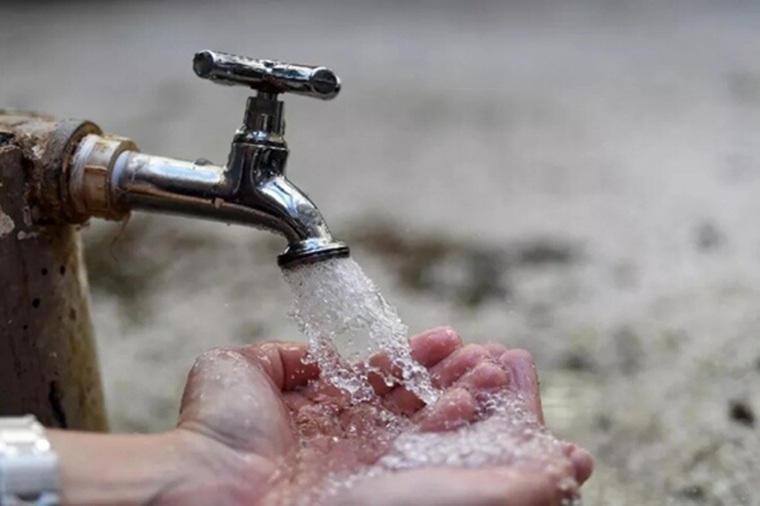
Climate change is no longer only measured by record temperatures, forest fires, or more intense hurricanes. It also manifests itself every time a community anywhere in the world turns on a tap and discovers that water is scarce, arrives with restrictions, or is more expensive.
The climate crisis is altering the planet's hydrological cycle and reducing the availability of fresh water in several regions.
At the same time, it’s widening a historical gap: while wealthier countries invest billions to ensure water supply, poorer nations face prolonged droughts, inadequate infrastructure, and increasing difficulties in guaranteeing an essential human right.
Image: A woman and her daughter draw water from a well in their village in Malawi.
The World Meteorological Organization (WMO) warns that global warming is intensifying both droughts and extreme rainfall events, disrupting the balance of freshwater reserves and increasing uncertainty about their future availability.
The WMO also notes that the hydrological cycle has become more erratic as a consequence of rising temperatures caused by greenhouse gas emissions.
The pressure on water resources has already reached global dimensions. According to UN-Water, nearly half the world's population experiences severe water scarcity for at least part of the year, while around 2.2 billion people still lack access to safely managed drinking water.
The agency also warns that climate change will increase competition for this resource and exacerbate existing inequalities.
Poverty amplifies the effects of global warming.
The consequences of climate change are not evenly distributed. Where storage systems, desalination plants, modern distribution networks, or sufficient financial resources exist, the impacts can be mitigated.
However, in many countries in Africa, Asia, and Latin America, limited infrastructure turns every drought or flood into a humanitarian emergency.
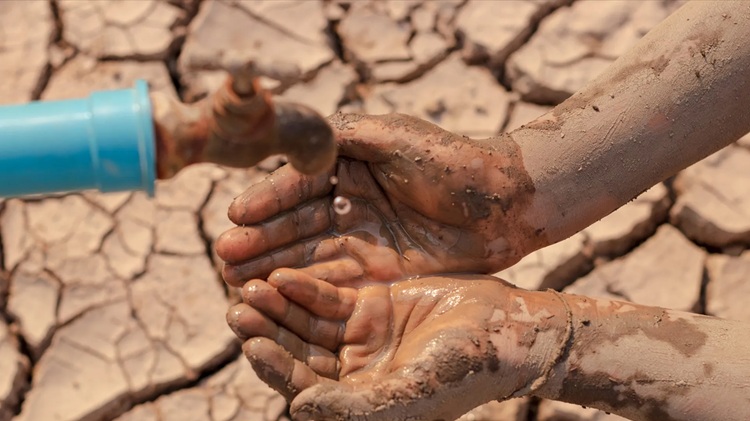
Although the problem of scarcity is a reality, for the UN, the priority is equitable distribution worldwide.
Water scarcity, exacerbated by climate change, could reduce economic growth in some regions by up to six percent by mid-century due to losses in agriculture, health, income, and productivity.
Furthermore, millions of people could be forced to migrate due to dwindling water resources.
The World Health Organization emphasizes that access to safe drinking water is one of the most important factors in preventing infectious diseases, reducing infant mortality, and improving quality of life. When access decreases, the health risks associated with consuming contaminated water and poor hygiene also increase.
This reality reflects a profound paradox: countries that have historically contributed the least to carbon dioxide emissions are often the most exposed to the water-related consequences of the climate crisis.
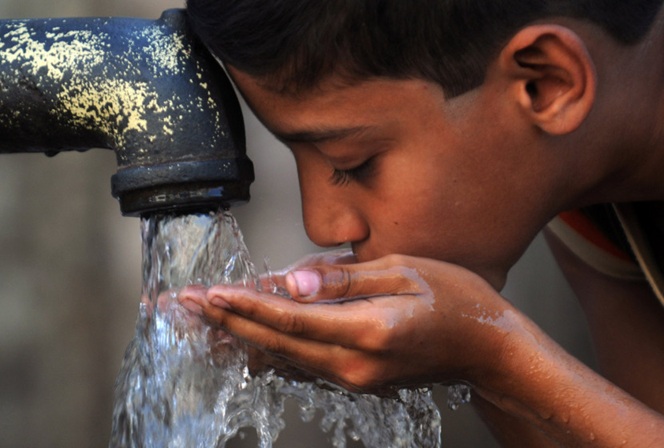
In many of these areas, rural communities depend almost exclusively on increasingly irregular rainfall, while a lack of resources limits the construction of reservoirs, treatment systems, or resilient networks to withstand extreme events.
Water is also becoming more expensive in large cities
The climate crisis not only threatens water availability, but also increases the cost of delivering it to homes. Longer droughts force the collection of water from more distant sources, torrential rains increase the pollution of rivers and reservoirs, and extreme weather events damage infrastructure that subsequently requires costly repairs.
A study cited by Prensa Latina, based on research published in the journal Nature Water, concludes that climate change could double water bills in numerous cities during the coming decades.
The analysis indicates that water companies will need to make increasing investments to adapt to a more variable availability of the resource, modernize infrastructure, and cope with increasingly intense weather events.
The research published in Nature Water explains that the increase in costs will not only be due to greater demand, but also to the increased cost of treatment, storage, distribution, and protection of water sources from the effects of climate change.
Various international organizations agree that cities will need to invest billions of dollars in modernizing distribution networks, reducing losses from leaks, expanding treatment plants, reusing wastewater, and developing systems capable of withstanding increasingly frequent droughts and floods. But the unfair distribution of wealth and the deepening of inequalities constitute a serious obstacle.
Adapting is no longer optional.
The latest report from the Intergovernmental Panel on Climate Change (IPCC) concludes that climate change is altering water availability in numerous regions of the planet and that these effects will continue to intensify if greenhouse gas emissions are not substantially reduced.
It also emphasizes that early investments in adaptation are considerably less costly than dealing with the damage caused by inaction.
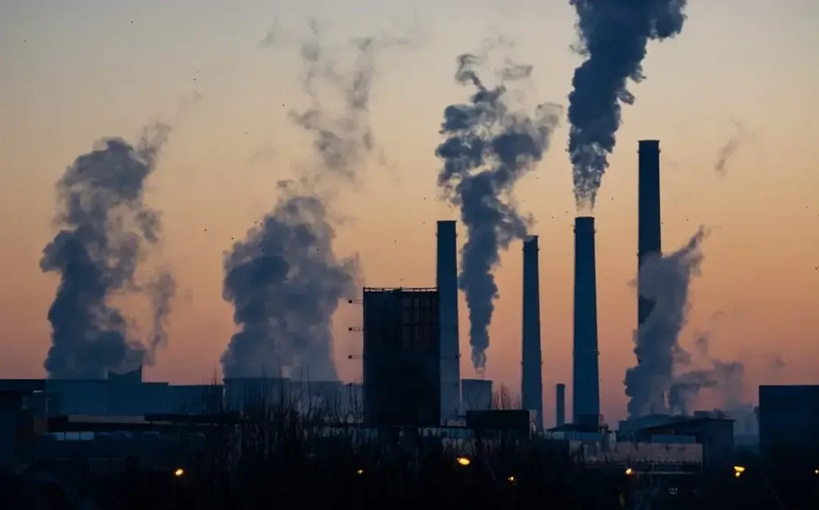
Solutions include protecting watersheds, restoring ecosystems, improving water use efficiency, reducing losses in urban networks, expanding wastewater treatment and reuse, and strengthening international cooperation to guarantee access to water in the most vulnerable regions.
Climate change is transforming the environmental challenge into a matter of social and economic justice. While some societies will be able to mitigate the impact through technological investments, others will continue to face the dilemma of having enough water to drink, produce food, and sustain life.
The true cost of the climate crisis will not only be reflected in urban utility bills, but also in the growing inequality between those who can adapt and those who struggle to access a glass of safe water.
Translated by Amilkal Labañino / CubaSí Translation Staff
Add new comment