
Biography of Cuban Priest Félix Varela Published at the Holy See
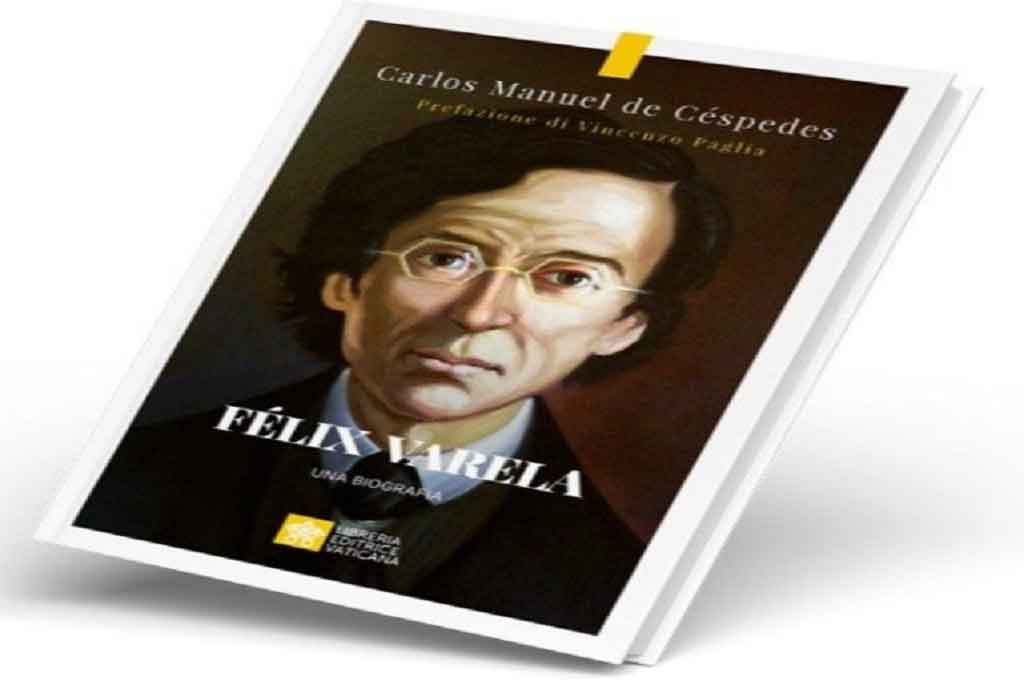
Publican en la Santa Sede biografía del sacerdote cubano Félix Varela
The Vatican Publishing House has announced the publication of the first Italian-language biography of Venerable Cuban priest Félix Varela, written by Monsignor Carlos Manuel de Céspedes, according to a report today.
This new edition, which will go on sale July 9, includes a prologue by Monsignor Vincenzo Paglia, official postulator of the beatification cause of Father Varela, a Cuban educator and patriot who lived between the 18th and 19th centuries, and whose advanced humanist and pro-independence ideas left a profound mark on history.
The book "portrays with depth and passion a man who, at the beginning of the 19th century, knew how to live the Gospel in concrete history, anticipating central themes of today: the dignity of the person, social justice, the value of democracy, and concern for the most vulnerable," highlights a note published on the Vatican News website.
Father Félix Varela was born on November 20, 1788, and throughout his life, pedagogy, philosophy, politics, and his reputation for holiness prevailed. He was ordained a priest at age 23, and his teaching work as a professor of Philosophy and Physics at the San Carlos Seminary in Havana was highly distinguished.
In 1821, he was elected to represent Cuba in the Spanish Cortes, where he mediated for just causes, demanded the abolition of slavery, and proposed recognition of the independence of the American nations. Due to his political stance against the metropolis, the King of Spain sentenced him to death. Pursued and harassed, he managed to flee and moved to New York City, where in 1839 he was appointed vicar.
His pastoral work did not prevent him from maintaining a firm position in favor of Cuba's independence until his death on February 18, 1853, in the city of St. Augustine, Florida. His mortal remains — of the man who proclaimed "There is no Homeland without Virtue" — rest in the Aula Magna of the University of Havana, a fitting destination for one whom Cubans define as "he who taught us to think."
This year marks four decades since the process for the priest's beatification was officially opened on February 20, 1986. On March 14, 2012, his heroic virtues were recognized by Pope Benedict XVI, who declared him Venerable.
Varela profoundly combined faith and his commitment to freedom, which made him one of the fathers of Cuban national consciousness and a reference for entire generations, Vatican News noted when announcing the publication of the Italian version of his biography.
Add new comment