
Bariay Cultural Center Celebrates Ten Years of Art and Community
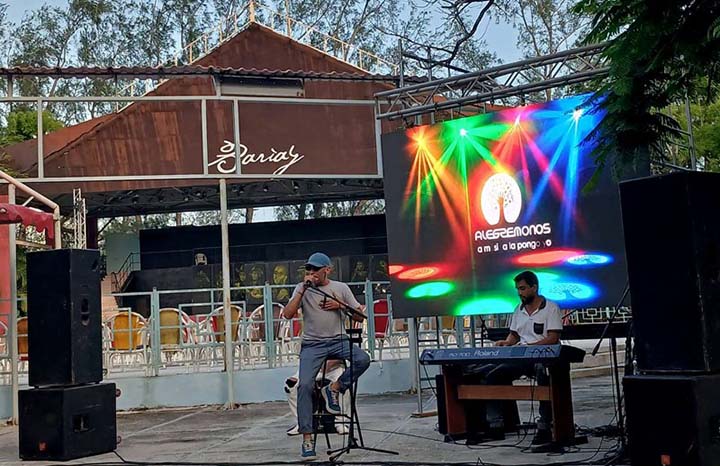
Foto: ACN
The Bariay Cultural Center commemorated its tenth anniversary with a day of activities that reaffirmed its role as one of the main recreational spaces and defenders of national culture in Holguín. Since its inauguration in June 2016, the institution has consolidated itself as an artistic and community reference in the eastern region of the country.
Carlos Lam Mora, director of the Recordings and Musical Editions Company (EGREM) in Holguín, recalled that the project initiated in 2014 allowed the province to have a center that opened its doors to internationally acclaimed groups such as Havana D’Primera, Van Van, and Cimafunk. Bariay also hosted major events such as the Romerías de Mayo and the Iberoarte Fair, in addition to becoming a graduation venue for more than seven thousand medical students.
The facility, managed by EGREM and the Cuban Company of Artistic and Literary Promotions (Artex) along with other territorial entities, offered diverse programming throughout the decade, including children's activities, fusion nights, adult evenings, electronic music, and tributes to women. Its artistic proposal catered to varied audiences and strengthened the city's cultural life.
The central day brought together artists, directors, and creators linked to the center's construction, with the participation of some 26 provincial institutions. The program included children's presentations by the AbraKdabra Project and the Pequeños Artistas, as well as a closing concert for the general public, framed within the start of the summer season in Holguín.
Throughout these ten years, Bariay became a bastion of Cuban identity — a space where art and community integrated in favor of cultural development and healthy recreation. Its name evokes the historic site where Christopher Columbus first landed in Cuba on October 28, 1492, a legacy that gives the center a symbolism of encounter, mestizaje, and cultural resistance.
Add new comment