
U.S. Justice Department Conceals Epstein Files Linking Trump, NPR Investigation Reveals
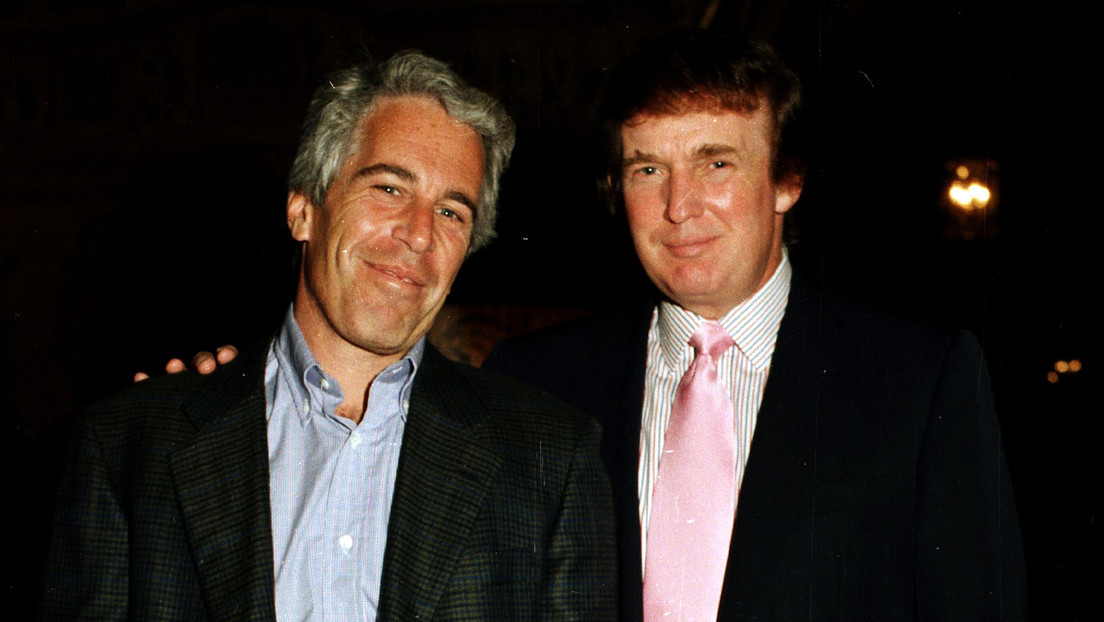
Jeffrey Epstein y Donald Trump. Davidoff Studios / Gettyimages.ru
The United States Department of Justice has withheld and removed from public access several files connecting President Donald Trump to deceased sex offender Jeffrey Epstein and his associate Ghislaine Maxwell — including allegations that the president sexually abused a minor — according to an investigation published by NPR.
The outlet reports that the Justice Department also deleted "some documents from the public database" in which accusations against Epstein make reference to Trump. Several additional files, NPR notes, have not been made public despite the existence of a law mandating their release.
According to the investigation, the total volume of documents withheld by the Justice Department under Attorney General Pam Bondi exceeds 50 pages of FBI interview transcripts and notes from conversations with a woman who accused Trump of sexually abusing her decades ago when she was a minor.
"NPR reviewed multiple sets of unique serial numbers that appeared before and after the pages in question, stamped on documents in the Epstein files database, FBI case records, emails, and discovery document records in the final batch of documents released in late January," the outlet reported. "NPR's investigation found dozens of pages that appear to be catalogued by the Justice Department but not shared publicly."
NPR submitted questions to the DOJ regarding the specific files, their contents, and the reasons for their non-disclosure, but received no response prior to publication. Following publication, however, a department spokesperson, Natalie Baldassarre, reached out to the outlet to explain that any documents not released are either subject to privilege or relate to an ongoing federal investigation.
In response to the reporting, the ranking Democrat on the House Oversight Committee, Representative Robert García of California, issued a statement on the missing files, confirming "that the Department of Justice appears to have illegally withheld FBI interviews with the victim who accused President Trump of heinous crimes." He announced that the committee would open a parallel investigation into the DOJ's decision not to release the documents.
Among the other files removed from public view, NPR reports, are documents belonging to a woman who served as a key prosecution witness in the criminal trial against Epstein's co-conspirator, Ghislaine Maxwell, who is currently serving a 20-year prison sentence for sex trafficking and is reportedly seeking a presidential pardon from Trump.
Some of those documents were briefly pulled from and then restored to public digital access last week, while others remain hidden, according to NPR's comparison of the dataset originally published on January 30 and the version currently reflected on the DOJ's website.
When NPR sought comment on the missing pages and the allegations against Trump, White House spokesperson Abigail Jackson stated in a press release that President Trump "has done more for Epstein's victims than anyone before him" and "has been fully exonerated in anything related to Epstein."
That response echoes prior statements from the Justice Department asserting that the Epstein files contain "false and sensationalist claims" about the president.
According to the testimony reviewed by NPR, the woman who accused Trump of sexual abuse stated that the assault took place in 1983, when she was approximately 13 years old. She alleged that Epstein introduced her to Trump at that time, and that Trump subsequently forced her in a sexual act before striking her and removing her from the premises.
Add new comment