
Toxicological Alert Regarding the Serious Risks of the "Shaka" Cocktail for Young People
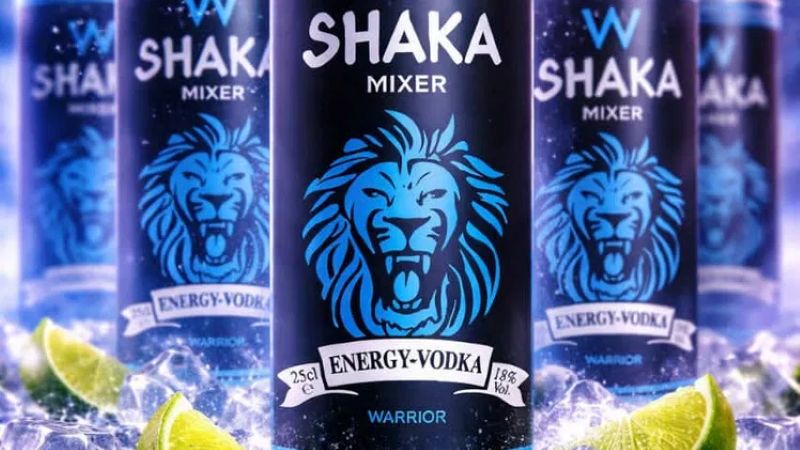
What many adolescents purchase—believing it to be a simple supplement to ward off fatigue—is, in reality, a dangerous combination of high-proof distilled alcohol and potent chemical stimulants. This mixture is capable of triggering massive heart attacks, strokes, and rapid-onset alcohol-induced comas.
To delve into the clinical risks and uncover the physiological mechanisms associated with this product, the Cuban News Agency (ACN) spoke exclusively with Dr. Alejandro Mestre Barroso, a first-degree specialist in Toxicology and general coordinator of the Provincial Drug Observatory in Las Tunas.
The medical expert explained that the danger stems from the deceptive way in which the product is marketed.
Mestre Barroso pointed out that the product was being sold as a harmless energy drink, when in reality it is vodka-based, with an alcohol concentration reaching up to 18 percent by volume—an exceptionally high dose of alcohol. To this, significant amounts of active stimulant ingredients—such as purines, caffeine, and taurine—are added.
This pharmacological combination triggers a violent conflict within the human body.
The toxicologist explained that both caffeine and taurine act directly on the central nervous system, inducing a state of hyperstimulation. This, in itself, raises blood pressure, causes tachycardia, and increases the risk of stroke. However, the most deceptive aspect is what medical professionals call "camouflaged intoxication"—a state of apparent sobriety and physical euphoria that masks the sedative effects of alcohol.
Misled by this artificial excitement, which delays the natural onset of dizziness or lethargy, young people may consume three or four cans in less than twenty minutes.
He further warned—with clear concern—that once the transient effect of the energy drink wears off and the concentrated ethanol floods the bloodstream—reaching levels well above 100 milligrams per deciliter—the body experiences severe respiratory and neurological depression. This can rapidly plunge the consumer into an alcohol-induced coma, posing an immediate, life-threatening danger.
Regarding cardiovascular and neurological impact, the expert noted that this cocktail can trigger ischemic strokes, intracranial hemorrhages, and acute myocardial infarctions (heart attacks), all of which can lead to sudden death. The specialist emphasized that adolescents and young adults are biologically more vulnerable to these acute events than a 50- or 60-year-old adult, as their hearts lack the protective collateral circulation that develops physiologically within the mature heart muscle over the decades.
Furthermore, the psychosocial immaturity characteristic of these younger ages removes any inhibitory brakes on excessive consumption. At a physiological level, artificial sweeteners—such as aspartame, added to mask the harsh, burning taste of the distilled spirit with a sweet flavor—along with various chemical additives, place severe strain on the renal system. This can lead to long-term kidney disease and accelerate the progression toward chronic alcoholism, with all the associated physical and social dependencies.
Regarding emergency response and first-aid protocols for acute intoxication, the Observatory coordinator outlined essential clinical management steps: an individual should never be left lying on their back; instead, they must be placed immediately in the left lateral decubitus position (on their side) to prevent aspiration in the event of unexpected vomiting. Additionally, blood glucose levels must be strictly monitored due to the risk of hypoglycemia, alongside continuous observation of heart rate and blood pressure.
He stressed that individuals with a history of hypertension must strictly avoid consuming such products to prevent vascular collapse.
In his concluding remarks, Dr. Alejandro Mestre Barroso emphasized that society, retailers, and families must fully grasp that this is an extremely potent alcoholic beverage, the components of which can trigger severe adverse effects. He reiterated, with absolute firmness, that the sale, possession, and consumption of this product are strictly contraindicated—under any circumstances—for minors.
Translated by Amilkal Labañino / CubaSí Translation Staff
Add new comment