
A Secondary Effect of the War with Iran That Markets May Be Overlooking
Efecto secundario de la guerra con Irán
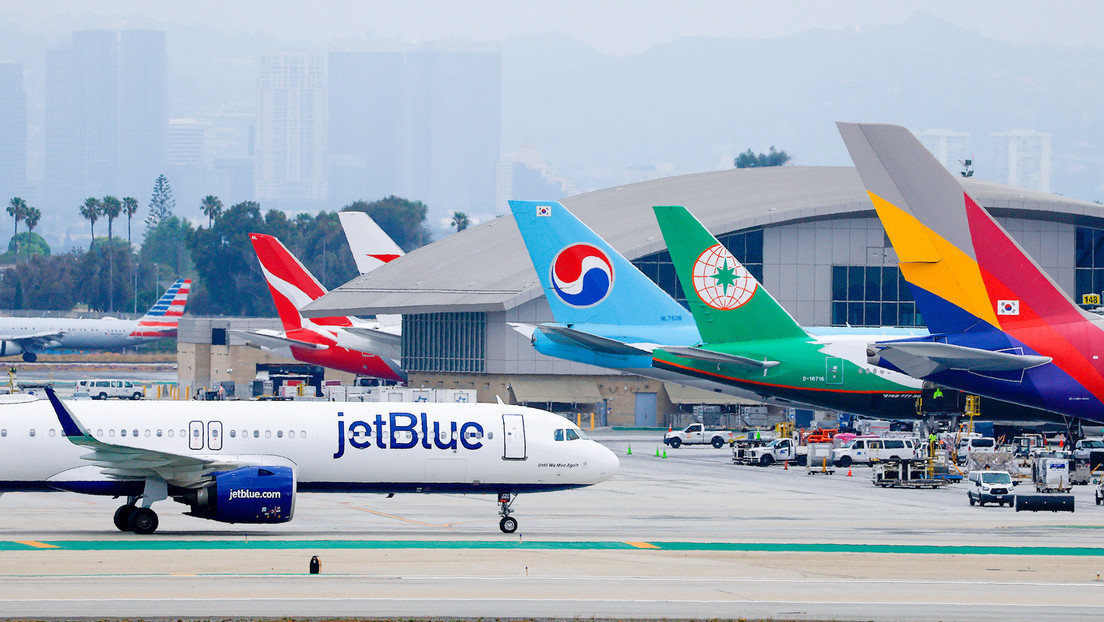
Several airlines are beginning to cut flights just as the summer demand peak approaches, facing rising aviation fuel prices that are squeezing margins and forcing capacity adjustments, MarketWatch reported.
According to the outlet, U.S. carriers such as United Airlines and Delta Air Lines, along with airlines like Air Canada and KLM, have already reduced flights and will enter the high season with a more limited offering. In Germany, Lufthansa announced it would cut 20,000 flights through October.
MarketWatch noted that, for investors, capacity cuts are an early sign that the economic impact of the conflict with Iran could be prolonged, even if markets appear to be moving past the issue. The media outlet further indicated that although U.S. President Donald Trump has extended the two-week ceasefire that was set to expire this Wednesday, uncertainty persists.
Growing Concern
United Airlines lowered its 2026 forecast on Tuesday night, citing the rise in oil prices as the reason for adjusting its schedule for the remainder of the year. According to MarketWatch, the airline expects to cut its planned growth by 5% and end the year with capacity that is flat or between 0% and 2% higher. Similarly, Alaska Airlines suspended its annual forecast due to rising fuel costs, describing it as its primary source of short-term uncertainty.
The report pointed out that supply risks are especially high in Europe, which imports around 60% of its aviation fuel from the Middle East. Part of that supply passes through areas affected by the conflict, including the Strait of Hormuz, a key artery for global energy supplies.
On a global scale, the conflict has reportedly removed between 650 million and 850 million barrels of oil from the market, according to Patrick De Haan, head of fuel analysis at GasBuddy. He argued that the aviation fuel market has moved from concern to what he described as a likely supply disruption, especially in regions like Europe, which are dependent on imports and have significantly diminished refining capacity.
Fuel is the second-largest cost for airlines after labor, representing between 25% and 30% of total operating costs. MarketWatch added that while companies are attempting to modernize fleets with more efficient aircraft, supply constraints and backlogs at Boeing and Airbus, which stretch for years, are slowing that process.
Add new comment