
In the Era of the Digital Spanish: Algorithms with Tildes and Ethics

Imagen: generada por IA para CubaSí
Contemporary communication is traversing a territory where the boundary between human creation and algorithmic syntax is becoming increasingly blurred.
Within this scenario, recent regulatory documents are being inscribed, such as the Manual on Human Rights and Artificial Intelligence, published on April 18, 2026, by the Council of Europe.
This document establishes that editorial responsibility cannot be delegated to computational codes. It further warns that transparency is not an aesthetic option, but an integrity requirement for any organization that employs generative artificial intelligence systems to inform the citizenry.
Furthermore, with the entry into force of the transparency norms of the European AI Act, scheduled for August of this same year, the mandatory clear labeling of machine-generated content becomes a key piece of the information ecosystem.
The Spanish of Machines
In this context of ethical vigilance, the so-called "era of digital Spanish" takes on unprecedented strategic relevance. This is not just a technological change, but a profound transformation in the very identity of a language shared by more than 600 million people.
The LEIA project (Spanish Language and Artificial Intelligence), promoted by the Royal Spanish Academy and reinforced with strategic investments in this biennium, precisely seeks that artificial brains not only speak Spanish, but speak it with the correctness and variety that the language deserves.
Linguistic sovereignty is now being played out in the databases and training models that feed the large conversational systems.
The integration of artificial intelligence into text generation poses a technical and cultural challenge: avoiding the erosion of Spanish in the face of models trained predominantly under Anglo-Saxon structures.
The concern of language academies focuses on the possible simplification of syntax and the impoverishment of vocabulary if machines limit themselves to replicating a neutral or hybrid Spanish.
According to the yearbook Spanish in the World 2025, presented by the Cervantes Institute last October, there is an impact of language models on the richness of Spanish that must be reclaimed.
The massive automation of content carries the risk of a standardization of the language toward a functional version, but one lacking regional nuances, which could blur the cultural richness that Spanish has accumulated over centuries of shared history.
This digital transformation also redefines the notion of authorship and the use of signs on the web, because Spanish becomes more direct, sometimes more emotional, but also more vulnerable to algorithmic biases that can perpetuate stereotypes or inequalities.
The Global South Against Algorithmic Colonialism
The map of ethics in artificial intelligence cannot be drawn solely from the power centers of Brussels or Silicon Valley. In Latin America and the Caribbean, the discussion regarding the use of generative AI systems acquires a dimension of cultural resistance and digital sovereignty.
The risk of "algorithmic colonialism" is a latent threat because language models are often trained with data that do not reflect the lexical diversity, the idiomatic turns, nor the social reality of the region.
According to the updated UNESCO report on the Ethics of AI in Latin America, it is imperative that the nations of the Global South develop their own data repositories to prevent the "era of digital Spanish" from becoming a uniformity imposed from the outside, like a kind of grammar of foreign design.
In this sense, the automated generation of texts in the so-called Third World faces the critical challenge of the representation gap. It is fundamental not to make local identities invisible under a layer of artificial neutrality or, worse yet, imported biases.
As analyzed in strategic documents from ECLAC (CEPAL), communication in these latitudes demands regulatory frameworks that protect the intellectual property of its people and foster a technology that speaks with its own concerns and accents.
The commitment should be universal because an algorithm that only respects grammar is a useful tool, but one that respects the cultural diversity of the entire planet is, quite simply, a conquest of civilization.
Moreover, generative artificial intelligence is here to stay, but the control over truthfulness, intention, and the beauty of the written word remains, fortunately, a prerogative of human intelligence.
Translated by Sergio A. Paneque Díaz / CubaSí Translation Staff
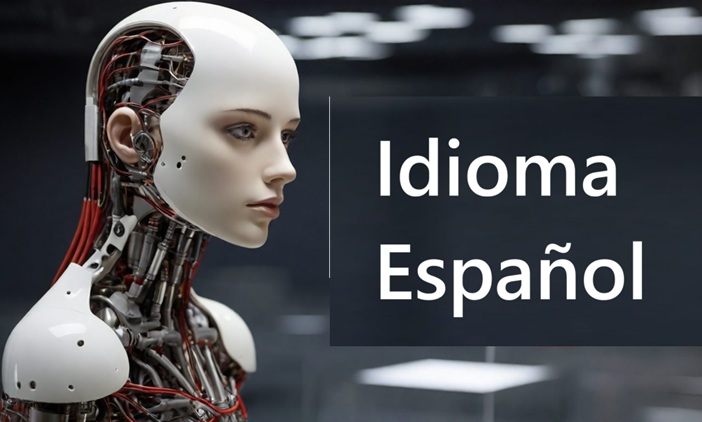
Imagen ilustrativa: generada por IA para CubaSí
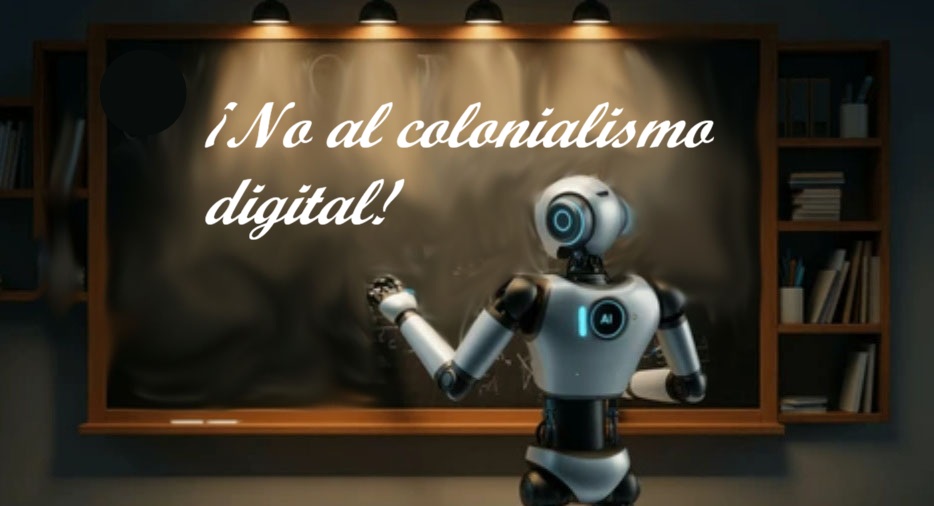
Imagen ilustrativa: generada por IA para CubaSí

Imagen ilustrativa: Adrien / Unsplash
Add new comment