
Cuba Defends Digital Sovereignty and Equal Access to AI
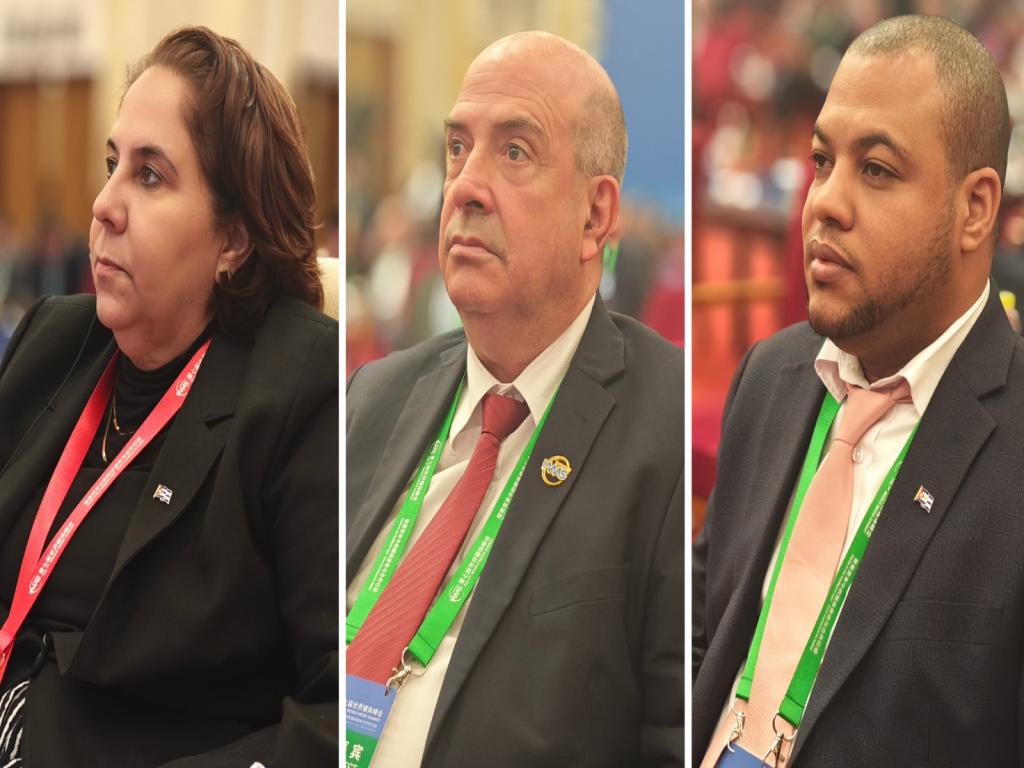
During the 7th World Media Summit held in Beijing, Cuban representatives defended the necessity of guaranteeing equitable access to artificial intelligence (AI) to prevent widening technological gaps between nations. The Cuban delegation was headed by Liudmila Álamo Dueñas, deputy head of the Ideological Department of the Central Committee of the Communist Party of Cuba, along with executives from the island's media outlets.
Alejandro Gómez, Vice President of Prensa Latina, emphasized that the gathering provided a vital space to analyze AI challenges during the current technological revolution while ensuring Global South representation. He stressed the importance of supporting developing nations with infrastructure, training, and technological tools to achieve digital sovereignty. Gómez noted that the summit offered Cuban journalists an opportunity to observe rapid technological advances and identify potential cooperation with international media, particularly from China, to counter global disinformation and fake news.
Randy Alonso, Director of Ideas Multimedios, marked the relevance of holding the summit on the 95th anniversary of Xinhua News Agency and highlighted the debate on AI's role in journalism. Alonso stated that while AI can assist in content generation, analysis, and fact-checking, it “cannot replace human feelings or the function of the journalist.” He further advocated for open access to AI rather than restricting it to wealthy nations and major media conglomerates.
Yuniel Labacena, Director of the newspaper Juventud Rebelde, noted that incorporating AI could help engage younger audiences while preserving core principles like creativity and human editorial oversight. José C. Zaragoza, Director of Cuban Television, highlighted opportunities to establish media alliances, warning that while AI increases productivity, it also presents risks of information manipulation. The event brought together approximately 500 representatives from 330 media organizations across 112 countries to address the digital transformation of communication.
Add new comment