
Cuba in a Cocktail Cup

When the summer heat takes hold in Cuba, certain images are evoked like no other time of year. An intrinsic part of the national identity is also served in a chilled glass, with the aroma of spearmint, mint, the sparkle of ice, or the blend of tropical fruit flavors.
This mixture, which refreshes and delights the palate, is called traditional Cuban cocktails. These creations are nothing more than simple combinations. They all represent a deep-rooted tradition within the cultural heritage of this Caribbean land.
In them converge history, creativity, popular customs, and the universal prestige of a bartending practice that has transcended generations of men and women behind the bar.

Because, these "homemade" drinks distill the result of diverse influences. Although the unmistakable flavor of Cuban rum dominates many cocktails, it’s often combined with techniques and styles from other regions of the world and from other hands.
Thus, European liqueurs, citrus fruits, sugar, tropical fruits, and the creativity of bartenders who worked in grand hotels and bars—especially in Havana—fused into essences and flavors that were then poured into legendary cocktail glasses.
Cocktails that tell stories
In the first decades of the 20th century, Havana experienced a period of particular splendor as an international tourist destination. Its hotels, casinos, and lounges welcomed visitors from different latitudes, lifestyles, and tastes.
Bars were transformed into spaces where innovation was as valued as gastronomy and hospitality. In this vibrant atmosphere, several creations emerged and achieved fame. There, bartenders perfected recipes that today transcend borders as benchmarks of international mixology.

Among the essential names, the Daiquiri stands out, born in eastern Cuba and brought to fame by the master bartenders of the famous Havana bar El Floridita.
Another symbol of cocktail culture is the Mojito, whose combination of mint, lime, sugar, soda, and rum represents the freshness of the Caribbean. Its origin is disputed among various versions.
Currently, it has become one of the most requested cocktails in establishments around the world. As with the Daiquiri, the writer Ernest Hemingway left no doubt about his cocktail preferences. On one of the walls of the La Bodeguita del Medio restaurant, he wrote: “My mojito at La Bodeguita, my daiquiri at El Floridita.”

Beyond the Classics
Alongside these famous and legendary cocktails, other refreshing drinks are also enjoyed by many curious drinkers who prefer to try mixtures with unique characteristics.

Such is the case with El Presidente. Elegant and refined, it was for decades the preferred cocktail in Havana's diplomatic and social circles. Prepared with rum, dry vermouth, orange liqueur, and grenadine, it reflects the European influence on the local bar scene.
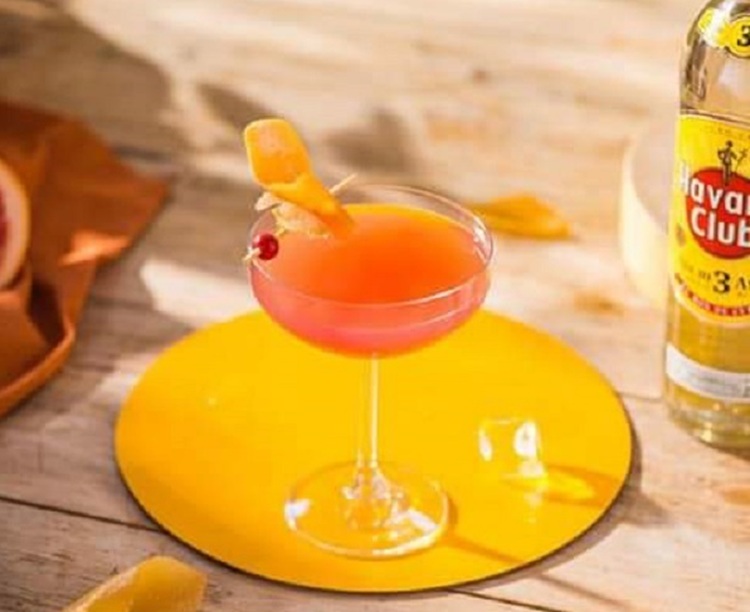
Less well-known internationally, but highly appreciated by connoisseurs, the Mulata combines white rum, coffee liqueur, and cream. By achieving this harmony of flavors, it pays homage to two emblematic products of the island: rum and coffee.
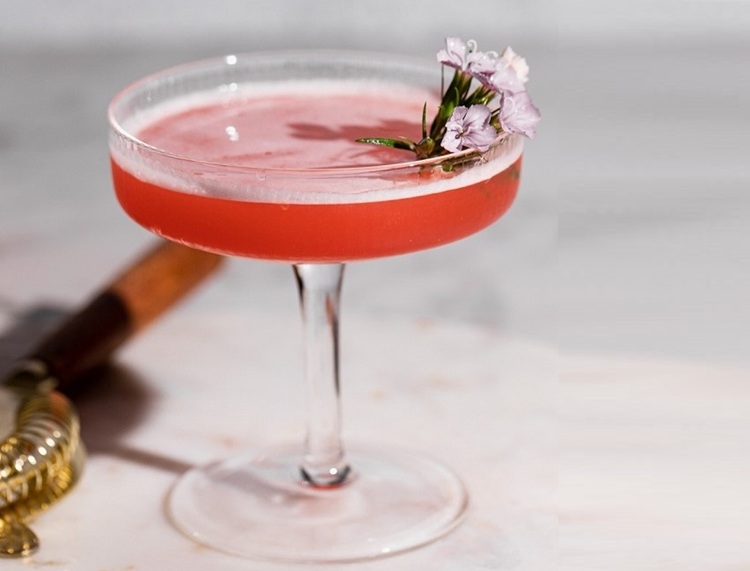
The Isla de Pinos, inspired by the present-day Isle of Youth, highlights the region's agricultural wealth. It’s prepared by mixing white rum, red vermouth, grapefruit juice, and ice. It’s served in a glass garnished with a slice of orange or grapefruit and a sprig of mint.
The Mary Pickford is another notable cocktail, whose spirit still lingers in certain Havana bars. It emerged in the late 1920s as a tribute to the silent film star of the same name, who was filming a movie in the Cuban capital at the time.
White rum, pineapple juice, grenadine, maraschino cherry liqueur, and ice are the components of this refreshing and fruity drink, whose tropical flavor is perfect for enjoying on summer days.
Between the Glass and the Mouth
The history of Cuban cocktails boasts a long list of recipes. Each reveals a part of the nation's history. Behind every glass, stories of immigrants, legendary hotels, small bodegas, social clubs, and generations of bartenders who passed down their knowledge resonate. with their craft, from masters to apprentices.
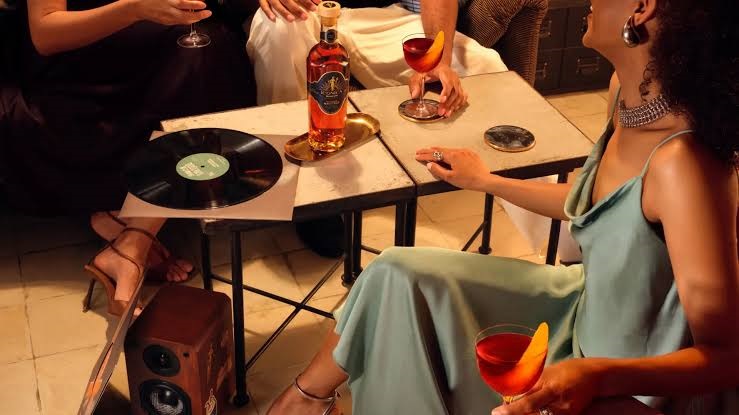
The prestige of this island's bars is also due to the professionalism of its bartenders. The Cuban Bartenders Association, founded in 1924, has played an essential role in preserving traditional recipes and practices. It has also been instrumental in training new generations, helping to keep alive an internationally recognized heritage.
Today, cocktails continue to be an excellent way to showcase the country. They not only accompany summer, gatherings, get-togethers with friends and family, and leisure time... Because in every sip there’s more than just a refreshing drink. There’s memory, culture, and a very special way of celebrating life.
Translated by Amilkal Labañino / CubaSí Translation Staff
Add new comment