
Colombian Minister Labels Energy Blockade Against Cuba a Genocide
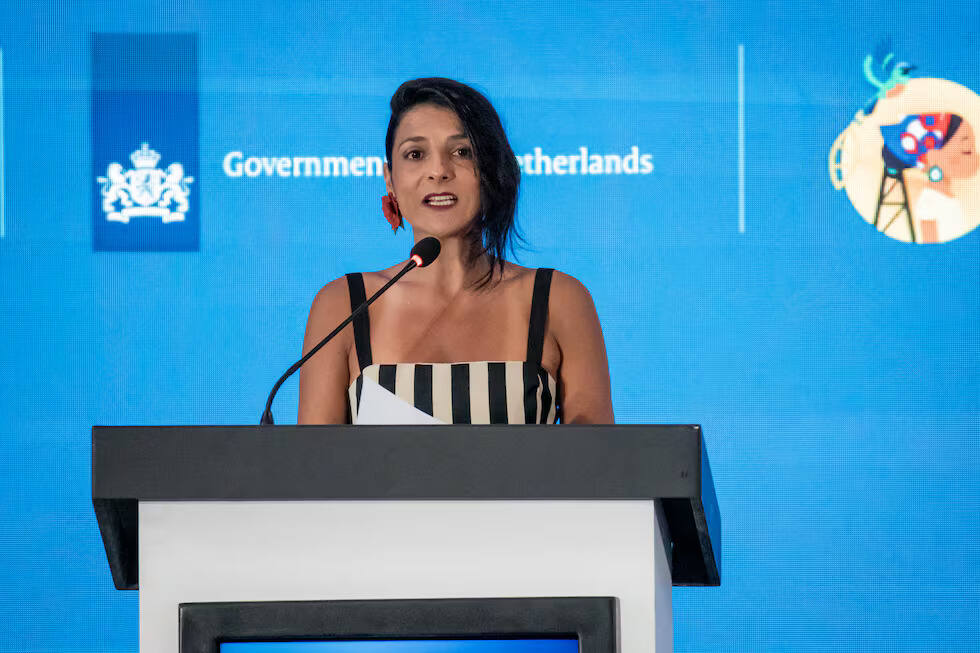
Ministra de Ambiente y Desarrollo Sostenible de Colombia, Irene Vélez
The Minister of Environment and Sustainable Development of Colombia, Irene Vélez, denounced today that punitive measures by the United States prevent Cuba from accessing oil supplies, which practically condemns the country to a genocide.
During a speech delivered at the plenary session of the First Conference for the Transition Beyond Fossil Fuels, which has been held since the 24th in the city of Santa Marta, the official warned that hydrocarbons are being used as a method of destabilization.
She also added that unilateral sanctions applied against Venezuela limited that nation's integration into the energy market.
The Minister recognized the delegations from the 60 countries attending the summit for their willingness to adopt policies that contribute to the decarbonization of their respective economies.
The President of Colombia, Gustavo Petro, also attended the penultimate day of the event.
In his speech, he considered that confronting the climate crisis requires not only urgent actions but also the unity of peoples. He questioned the stance of capitalism toward this phenomenon, the effects of which generate harm to populations.
As on other occasions, he reiterated his criticism of the dependence on hydrocarbons. He stated that this form of energy, which he described as archaic, undoubtedly leads to death.
The conference is an initiative led by Colombia and the Kingdom of the Netherlands, which gained momentum during the COP30 climate change summit in Belém, Brazil.
According to figures from the organizers, 2,608 organizations from different sectors and regions of the world expressed interest in participating in this meeting.
The gathering will bring together government representatives, parliamentarians, the private sector, ethnic communities, social organizations, and academia until tomorrow, with the purpose of promoting proposals that allow progress toward a just, orderly, and equitable energy transition.
Add new comment