
*Carandiru*: A Brazilian Film in the Memory of Havana Audiences
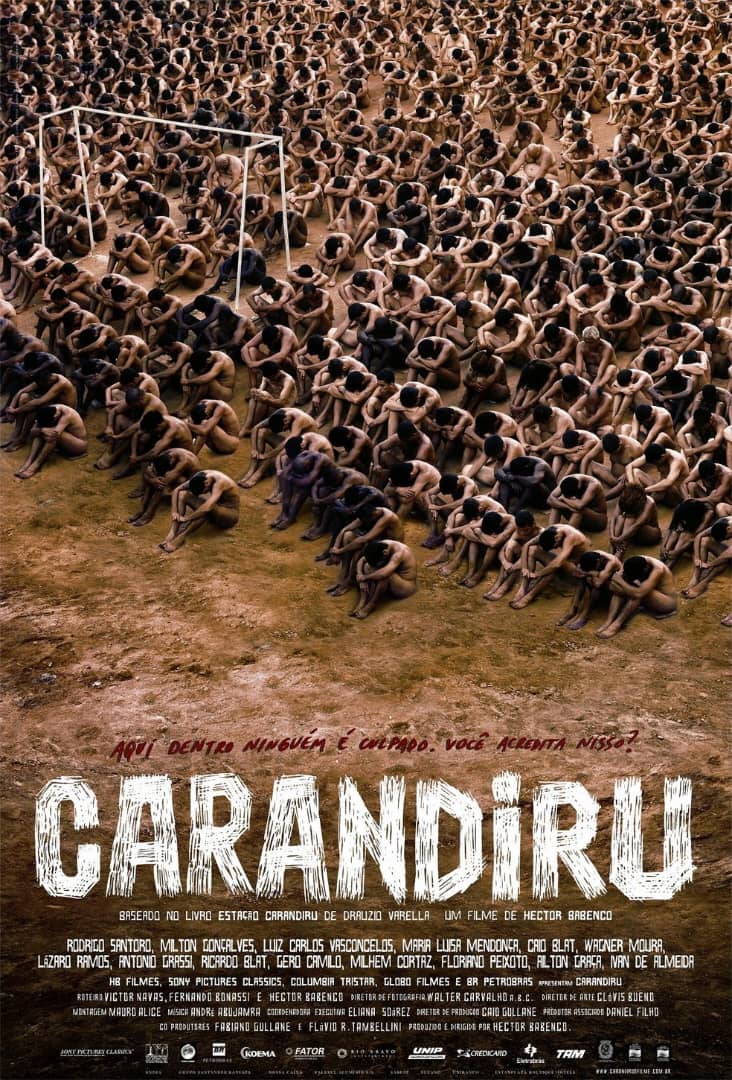
Throughout the history of the International Festival of New Latin American Cinema (FINCL), certain films have left a profound mark on the audiences attending the screenings. Such is the case with *Carandiru*, a Brazilian feature film directed by Héctor Babenco, which won the Audience Award at the festival’s 25th edition.
One of the best-known prisons in the country—located in São Paulo—serves as the starting point for this film, which captivated both Cuban and international audiences in December 2003. Although time has passed, revisiting it offers an opportunity to examine the presence of Brazilian cinema at the festival, especially as the upcoming edition of the Havana Film Festival will feature this South American giant as its focus country.
The interior of the prison, the events that unfold there, and other interwoven stories allowed director Héctor Babenco to explore the themes and concerns of Brazilian society. The narrative journey delves into the complexities of characters who are confined—both literally, within the prison walls, and internally, within their own psyches.
Each conflict reveals situations and issues that help us understand the changes taking place in Brazilian society during the early 21st century—spanning political, social, and identity-related dimensions, as well as the individual level.
These themes permeate the entire film, which succeeds in holding the audience's attention through the richness of its story, the strength of the performances, and a mise-en-scène that stands out for its vivid recreation of the prison environment.
In an interview published in the festival’s daily bulletin during that edition of the Havana Film Festival, Babenco noted that the film is an adaptation of the book of the same name by Drauzio Varella, with the various plot threads arranged like a mosaic, utilizing flashbacks.
Babenco explained that while none of the characters exist in real life exactly as they are portrayed in the film, they represent the archetypes found in the book. He added that the creative choices made to serve the film’s narrative helped shape its distinct atmosphere and visual depth. The merit of *Carandiru* and its success in winning popular favor solidified its international standing from 2003 onward—a year in which it competed alongside other major works of Latin American cinema. Its receipt of the Audience Award reflects a deep connection between viewers and a story that weaves together violence, internal personal dramas, and the portrayal of events and figures that left a profound mark on society.
Among the other works honored at that edition of the Havana Film Festival (FINCL) was the Cuban film *Suite Habana*, directed by Fernando Pérez—a work that garnered numerous accolades and is now considered one of the most significant pieces, not only in the director’s own work but in Cuban cinema as a whole.
As the next edition of this premier showcase for Latin American and Caribbean cinema approaches, it is an appropriate moment to revisit these titles—to trace their legacy and the enduring presence of the South American giant’s cinema within the Havana Film Festival and in the memories of its audiences.
Add new comment